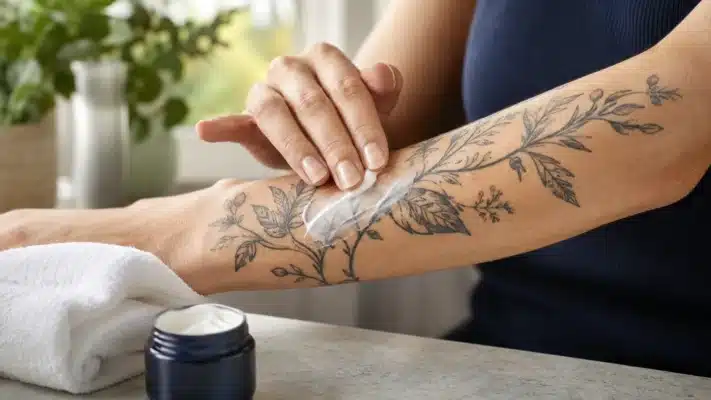
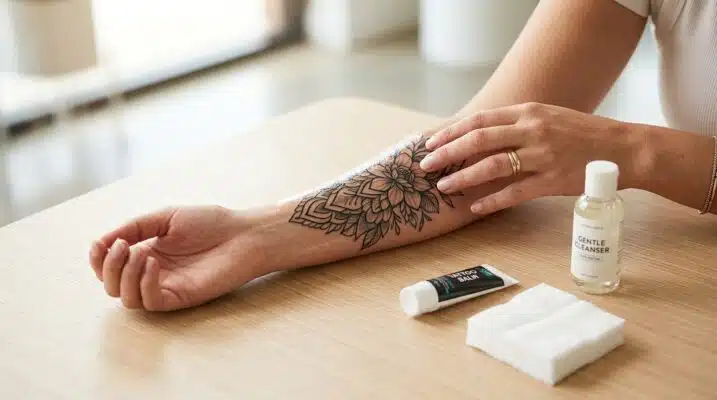
Proper tattoo aftercare is crucial for ensuring your new ink heals beautifully and remains vibrant for years. Understanding and avoiding common tattoo aftercare mistakes is the first step toward achieving optimal results. This guide will highlight potential pitfalls and provide clear, actionable advice to protect your artwork and skin health. A new tattoo is essentially an open wound, making it vulnerable to infection and damage. Neglecting proper care can lead to issues like faded ink, scarring, or even serious infections.
For instance, using harsh cleaning agents or exposing the tattoo to contaminants can impede the natural healing process, compromising the final appearance of your tattoo. Many individuals unknowingly make mistakes due to outdated information or a lack of specific knowledge about tattoo healing. For those concerned about the initial discomfort, using a high-quality numbing cream can make the tattooing process more comfortable, allowing you to focus on the aftercare. Recognizing these common errors empowers you to make informed decisions for a smooth recovery and a lasting, vibrant tattoo.
Key Takeaways
- Always follow your tattoo artist’s specific aftercare instructions.
- Avoid harsh chemicals, excessive moisture, or complete dryness during healing.
- Protect your new tattoo from sun exposure and submersion in water.
- Never pick or scratch at peeling skin or scabs.
- Use gentle, fragrance-free products designed for tattoo aftercare.
1. Ignoring Your Tattoo Artist’s Instructions
Ignoring your tattoo artist’s instructions is a critical mistake that jeopardizes your new tattoo’s healing and longevity. Tattoo artists are not just skilled in applying ink; they are also experts in skin trauma and recovery. Their guidance is rooted in extensive training and practical experience, encompassing specialized wound care protocols. Adhering strictly to their advice is paramount for a smooth recovery and preserving your tattoo’s vibrant colors. Artists provide personalized advice tailored to each tattoo and client, considering factors like size, details, placement, and individual skin type.
For instance, a tattoo on a high-movement area like the elbow might require different care than one on a less active area. Deviating from these expert instructions can have severe repercussions, leading to improper healing, significant ink loss, or serious infections. Skipping crucial cleaning steps or applying the wrong products can foster bacterial growth, compromising the skin’s barrier and potentially requiring costly touch-ups or even medical intervention.
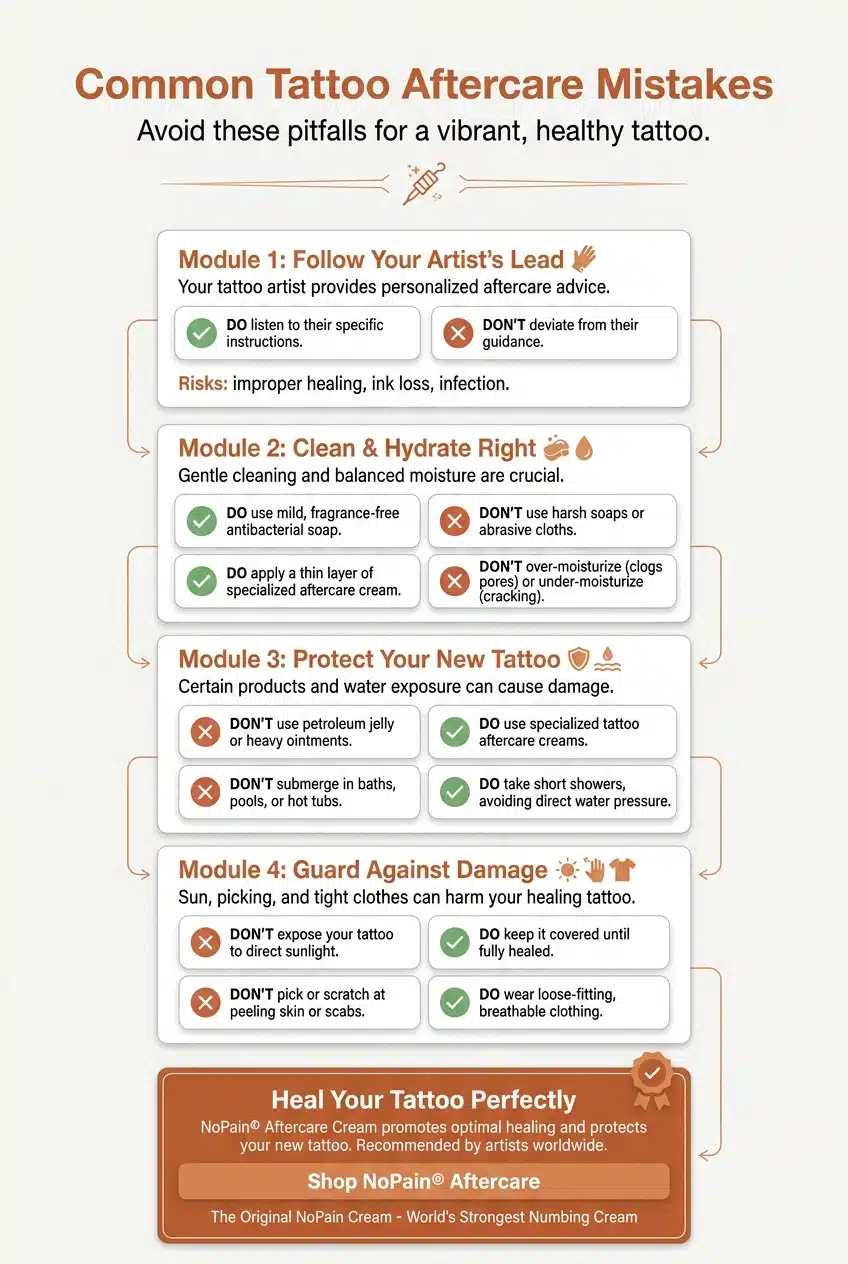
Common Tattoo Aftercare Mistakes
Avoid these pitfalls for a vibrant, healthy tattoo.
Follow Your Artist’s Lead
- Your tattoo artist provides personalized aftercare advice.
- DO listen to their specific instructions.
- DON’T deviate from their guidance.
Clean & Hydrate Right
- Gentle cleaning and balanced moisture are crucial.
- DO use mild, fragrance-free antibacterial soap.
- DON’T use harsh soaps or abrasive cloths.
Protect Your New Tattoo
- Certain products and water exposure can cause damage.
- DON’T use petroleum jelly or heavy ointments.
- DO use specialized tattoo aftercare creams.
Guard Against Damage
- Sun, picking, and tight clothes can harm your healing tattoo.
- DON’T expose your tattoo to direct sunlight.
- DO keep it covered until fully healed.
For comprehensive guidance on tattoo aftercare, ensuring your investment is protected, consult reliable resources that reinforce artist recommendations, such as our detailed tattoo aftercare guide. These instructions are meticulously designed to protect the fresh wound, minimize irritation, and promote optimal healing for delicate tattooed skin. Key instructions often include: keeping the tattoo covered with the artist’s bandage for a specific duration; gently washing with mild, unscented, antibacterial soap; applying only a thin layer of recommended aftercare product; avoiding prolonged water submersion; and protecting from direct sunlight.
Following these detailed steps precisely ensures your tattoo heals properly, maintaining its vibrancy and preventing complications.
2. Using the Wrong Cleaning Method
Among the most crucial pieces of advice your artist will provide are the specific steps for cleaning your new tattoo, as this process is essential for preventing infection. After getting a new tattoo, your skin has been repeatedly punctured, creating an entry point for bacteria. This makes diligent and appropriate wound care, particularly cleaning, paramount to prevent complications and ensure optimal healing. Neglecting proper cleaning or using incorrect methods can lead to bacterial infections, which may compromise the tattoo’s appearance and your overall health.
One of the most common tattoo aftercare mistakes is employing harsh cleaning methods or products. Abrasive cloths, loofahs, or excessive scrubbing can irritate the delicate, healing skin, potentially removing newly deposited ink and disrupting the wound healing process. Similarly, using strong, fragranced soaps or those containing high percentages of alcohol or petroleum can strip the skin of its natural moisture barrier, causing dryness, irritation, and even chemical burns, further hindering recovery.
For instance, using a standard bar soap with harsh detergents can be too aggressive for a fresh tattoo, leading to excessive scabbing and color loss. Always avoid soaps with dyes, perfumes, or harsh chemicals. Instead, opt for a gentle, fragrance-free, antibacterial soap and lukewarm water for cleansing. This combination effectively removes excess plasma, blood, and ointment residue without irritating the sensitive area. After washing, gently pat the tattoo dry with a clean paper towel, rather than rubbing, to avoid friction and potential damage.
Allow the skin to air-dry completely for at least 15 minutes before applying any aftercare products. For effective healing, wash your new tattoo two to three times a day with a mild, pH-balanced cleanser during the initial healing phase. Consistent, gentle cleansing is a cornerstone of effective tattoo aftercare, directly influencing the tattoo’s longevity and your skin’s health.
Understanding that a tattoo is essentially a controlled wound, where ink is deposited into the dermis, highlights the importance of meticulous hygiene to prevent bacterial ingress and promote proper skin regeneration. For more details on how tattoos work and the healing process, explore our resources. The cleaning process should involve these steps: 1. Thoroughly wash your hands with soap and water. 2. Gently wash the tattooed area with a mild, fragrance-free antibacterial soap and lukewarm water. 3. Rinse the tattoo thoroughly to remove all soap residue. 4.
Pat the area dry with a clean, single-use paper towel. 5. Allow the tattoo to air-dry completely for several minutes.
3. Over-Moisturizing or Under-Moisturizing
After cleaning, achieving the correct moisture balance is crucial for optimal healing and preserving ink vibrancy. Both excessive and insufficient moisturizing can lead to significant complications during the aftercare phase. Over-moisturizing a new tattoo can create a damp, suffocating environment that hinders proper healing. When too much product is applied, it can clog pores, prevent the skin from breathing, and trap bacteria and excess moisture against the wound.
This moist, occlusive environment is an ideal breeding ground for bacteria, significantly increasing the risk of infection, inflammation, and even fungal growth. Furthermore, excessive moisture can lead to soggy scabs that fall off prematurely, potentially causing the ink to blur or “blow out,” compromising the tattoo’s crispness and overall appearance. Conversely, under-moisturizing poses its own set of risks. When a new tattoo is allowed to dry out excessively, the skin can become tight, itchy, and prone to cracking.
This can lead to the formation of thick, hard scabs that may pull out ink when they eventually flake off, resulting in patchy healing and pigment loss. Dryness also intensifies itching, making it harder to resist scratching, which can further damage the healing skin and introduce bacteria. Dry skin tends to heal less evenly and more slowly, prolonging the recovery process and potentially affecting the tattoo’s long-term appearance. To strike the perfect balance, apply a thin, even layer of a specialized tattoo aftercare product.
Most professional tattoo artists and dermatologists recommend moisturizing a fresh tattoo two to three times daily during the initial healing period. When applying, ensure the tattoo is clean and dry, then: 1. Dispense a small amount of product, such as the highly rated NoPain Aftercare Cream, onto clean fingertips. 2. Gently spread a very thin layer across the entire tattooed area. 3. Rub it in until it is mostly absorbed, leaving a faint sheen but no visible residue or greasy feel.
This method ensures the skin receives adequate hydration without becoming oversaturated, allowing it to breathe and heal effectively. You can find a range of suitable options on our products page.
4. Using Petroleum Jelly or Ointments Not Designed for Tattoos
Just as important as the amount of moisturizer you use is the type of product you choose, as traditional petroleum jelly and heavy ointments can suffocate a new tattoo. These thick, occlusive products create a dense barrier over the fresh wound, effectively sealing it off from vital air circulation. This lack of oxygen can impede the natural cellular regeneration process essential for skin recovery.
Instead of allowing the tattoo to breathe and form a healthy scab, petroleum-based products can trap excess moisture and heat, creating an environment that delays healing and can lead to a prolonged recovery period for the delicate tattooed skin. Beyond suffocating the skin, the non-breathable layer formed by traditional petroleum jelly can create an ideal breeding ground for harmful bacteria, significantly increasing the risk of tattoo infection. The warm, moist environment trapped beneath the heavy ointment provides perfect conditions for microbial proliferation.
This bacterial growth can lead to redness, swelling, pus, and severe complications that compromise the tattoo’s appearance and your health. In contrast, specialized tattoo aftercare creams are meticulously formulated with ingredients that hydrate without clogging pores, promoting optimal skin care and healing. These advanced products allow the skin to breathe while delivering essential moisture and nutrients. Many dermatologists recommend applying a thin layer of specialized tattoo balm two to three times daily for optimal healing and vibrant ink preservation.
Such formulations often include panthenol and shea butter, which support the skin’s natural barrier function. Using a high-quality, specialized tattoo aftercare cream, like NoPain Aftercare Cream (2 Boxes), ensures your new ink receives the targeted care it needs. It is crucial to seek lightweight, breathable formulas that actively support the natural healing process. Look for products specifically labeled for tattoo aftercare, engineered to provide adequate hydration without creating an impermeable seal.
Ingredients like calendula extract or vitamin E are often included for their soothing and regenerative properties, further aiding recovery and helping your artwork maintain clarity and vibrancy.
5. Exposing Your New Tattoo to Water (Baths, Pools, Hot Tubs)
Beyond avoiding the wrong topical products, it’s equally important to protect your healing skin from environmental threats like prolonged water exposure. A fresh tattoo is essentially an open wound, making it highly susceptible to bacteria and other contaminants found in various water sources. Prolonged exposure can soften the scabs prematurely, leading to ink loss, patchy healing, and discoloration, ultimately affecting the vibrancy and longevity of your new artwork.
Pools, hot tubs, and even your bathtub are teeming with microorganisms and harsh chemicals that can irritate the delicate, healing skin and impede proper wound closure. Chlorine, while a disinfectant, does not eliminate all bacteria and can be extremely drying and irritating to a fresh tattoo. Pseudomonas aeruginosa, a common bacterium found in many hot tubs and pools, is estimated to be present in approximately two-thirds of these recreational water sources at any given time, posing a significant risk for infections like hot tub folliculitis.
To safeguard your tattoo, it is crucial to avoid submerging it in any body of water for at least two to three weeks, or as specifically advised by your tattoo artist. Immediately after showering, pat the area dry with a clean paper towel and apply a thin layer of a specialized aftercare cream, such as NoPain Aftercare Cream (3 Boxes), to keep it moisturized and protected. Proper tattoo aftercare fundamentally prioritizes keeping the wound clean and dry from external contaminants.
6. Exposing Your Tattoo to Direct Sunlight
Direct sunlight is a significant environmental threat to a new tattoo, causing rapid ink fading and damage to healing skin. Avoiding sun exposure is a top priority. UV rays break down ink pigments at a molecular level, leading to a duller, less vibrant appearance and irreversible color loss. During initial healing, keep your tattoo completely covered and out of direct sunlight with loose-fitting, breathable clothing. When outdoors: 1. Cover the tattoo with opaque, loose clothing. 2. Seek shade to minimize indirect UV exposure. 3.
Once fully healed, apply a high-SPF, broad-spectrum sunscreen generously. For optimal protection, always choose a broad-spectrum sunscreen with an SPF of 30 or higher. Consider a comprehensive tattoo aftercare bundle that includes sun protection. Protecting your tattoo from the sun is a long-term skincare strategy essential for maintaining its integrity and vibrancy. Integrate sun protection into your daily routine to ensure your tattoo remains a vivid expression of your style.
7. Picking or Scratching at Peeling Skin and Scabs
While protecting your tattoo from external elements is vital, resisting the urge to pick or scratch at peeling skin and scabs is equally crucial. This peeling skin and scabs form a protective barrier over the wound as new skin cells regenerate. Interfering with this natural healing process can have severe consequences for your tattoo’s final appearance. Fingernails harbor bacteria, and introducing them to an open wound can cause infection, requiring medical attention and potentially leading to permanent scarring.
When the urge to scratch becomes intense, use safe methods to relieve discomfort without damaging your artwork: 1. Gently pat or slap the itchy area to distract nerve endings. 2. Apply a very thin layer of a professionally formulated tattoo aftercare product, like NoPain Aftercare Cream. Light moisturizing can alleviate tightness and dryness that cause itching. 3. Use a cool, clean, damp compress to temporarily numb the sensation. Patience is paramount. Allowing the skin to shed its damaged outer layer naturally is a non-negotiable step for proper wound healing.
Let the natural peeling process, typically lasting a few days to two weeks, complete on its own for the sharpest and most vibrant final result.
8. Wearing Tight or Synthetic Clothing Over Your Tattoo
Beyond direct interference, prevent indirect physical irritation from your wardrobe. Wearing tight or synthetic clothing over a new tattoo is a common mistake that can significantly impede healing. Tight clothing creates constant friction against the delicate, healing skin, which can rub away scabs, pull out ink, and cause irritation or even open wounds. This friction can lead to patchy healing, scarring, and a compromised final appearance of your tattoo. Beyond friction, synthetic fabrics exacerbate healing issues by trapping moisture and heat against the skin.
Materials like polyester and nylon lack breathability, creating a warm, damp environment ideal for bacterial proliferation. This moist, occlusive setting increases the risk of infection and can slow down the natural healing process. To promote optimal healing, always choose loose-fitting garments made from natural, breathable fabrics like cotton or bamboo. These materials allow air to circulate, keeping the tattoo dry and cool, which is essential for healthy skin regeneration. This seemingly minor wardrobe adjustment plays a pivotal role in successful tattoo aftercare, ensuring your tattoo heals cleanly and vibrantly.
9. Engaging in Strenuous Activity and Excessive Sweating
Just as tight clothing can create a harmful environment through friction, heavy sweating from strenuous activity can also saturate a new tattoo and hinder wound healing. Even minor perspiration can be problematic, but intense sweating from strenuous activities or hot weather significantly elevates the risk of complications for a healing tattoo. Sweat contains bacteria and salts that can irritate the open wound, potentially leading to infection or excessive dryness if not promptly cleaned.
Beyond the issue of moisture, strenuous physical activity can also cause friction and stretching of the skin, which can affect the tattoo’s integrity. Rapid movements and skin stretching can disrupt newly formed scabs or even pull at the deeper layers of healing skin, leading to ink distortion or scarring. Activities such as weightlifting, running, or contact sports are particularly problematic, as they involve significant skin strain and increased potential for friction against clothing or equipment.
To safeguard your new artwork, it is crucial to limit intense workouts and activities that cause excessive sweating for the first few weeks of healing. Prioritizing rest and gentle movement supports optimal tattoo aftercare and recovery by minimizing potential stressors on the healing skin. Adequate recovery time ensures ink settles properly and skin heals smoothly, resulting in a vibrant and long-lasting tattoo. If you must exercise, choose low-impact activities and ensure you clean your tattoo immediately afterward with a gentle antibacterial soap and water.
10. Forgetting to Wash Your Hands Before Touching Your Tattoo
While avoiding specific activities and products is crucial, the most fundamental rule for preventing infection is to always wash your hands before touching your new tattoo. Neglecting this step can introduce pathogens directly into the deeper layers of your skin, leading to inflammation, pain, and severe complications. To mitigate this risk, always prioritize thorough handwashing before any aftercare routine, such as cleaning, moisturizing, or inspecting your ink. Follow these steps: 1. Wet hands with clean, running water. 2.
Apply soap and lather thoroughly, scrubbing all surfaces for at least 20 seconds. 3. Rinse hands well. 4. Dry hands with a clean towel or air dryer. This meticulous approach ensures your hands are as sterile as possible, minimizing the chance of introducing harmful microbes. This simple habit is one of the most effective defenses against common tattoo aftercare mistakes and complications. Consistent hygiene is fundamental to successful tattoo aftercare and overall skin health, creating an optimal environment for your tattoo to heal beautifully and vibrantly.
For more information on preventing issues, consider reading about spotting counterfeit products , as they can also pose health risks.
FAQ
What happens if you don’t moisturize your tattoo?
Not moisturizing can lead to dryness, cracking, and scabbing, potentially causing ink loss and hindering wound healing.
Can I ruin my tattoo in the first few days?
Yes, improper care in the first few days can significantly damage your tattoo.
Is it bad to pick the peeling skin off a tattoo?
Yes, picking at peeling skin or scabs is detrimental to your tattoo’s healing.
How do you fix a tattoo after bad aftercare?
Fixing a tattoo after bad aftercare often involves touch-ups and professional assessment.
What is the biggest mistake in tattoo aftercare?
The biggest mistake is often a lack of consistent, informed care.
Can you use Vaseline on a new tattoo?
No, it is generally not recommended to use Vaseline on a new tattoo.
Final thoughts
Avoiding common tattoo aftercare mistakes is essential for ensuring your new artwork heals properly and maintains its vibrancy. By diligently following your artist’s advice, practicing proper hygiene, and using appropriate aftercare products, you can ensure your tattoo remains a source of pride for years to come. Remember, a well-cared-for tattoo is a lasting one.