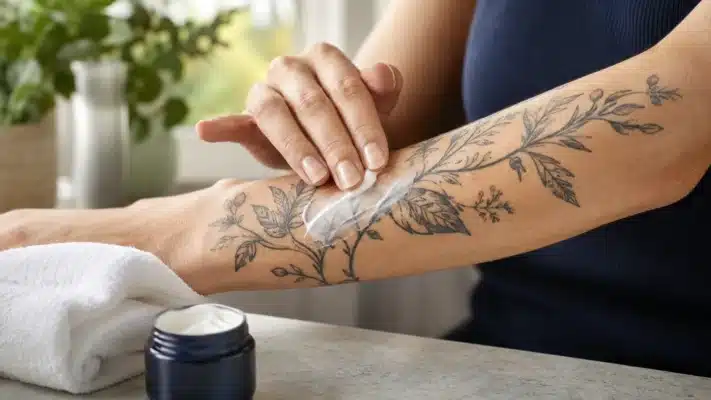
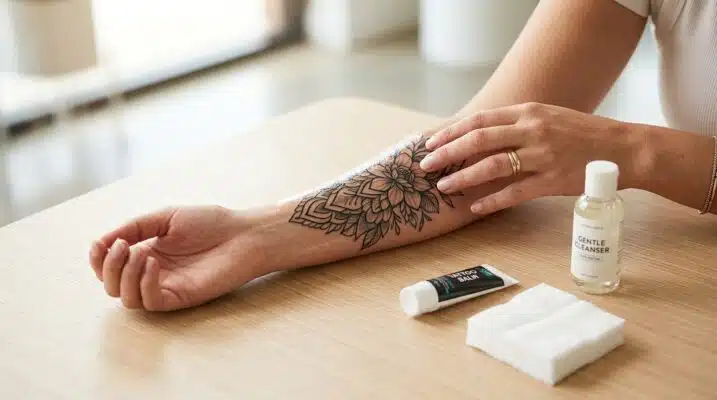
Navigating the world of tattoo numbing creams can be daunting, but knowing what to look for in a tattoo numbing cream is your first step towards a more comfortable tattooing experience. These topical anesthetics are designed to temporarily reduce pain sensation, allowing for longer sessions and easier application, especially in sensitive areas. The global market for these creams is substantial, projected to reach nearly $2 billion by 2031, highlighting their growing importance in the tattoo industry.
The efficacy of a numbing cream hinges on its active ingredients. The most common and effective is Lidocaine, a potent local anesthetic that temporarily blocks nerve signals from reaching the brain. Over-the-counter products typically contain Lidocaine at concentrations up to 5%, which is generally considered optimal for tattoo numbing. Understanding these concentrations is crucial for managing expectations regarding pain reduction.
Beyond the primary active ingredient, the base formulation of a numbing cream plays a significant role in its performance and compatibility with tattoo application. Water-based formulas, for instance, tend to absorb well into the skin without leaving a greasy residue, which is vital for artists to work effectively. This absorption characteristic ensures the cream doesn’t interfere with the tattooing process itself, maintaining skin integrity and allowing for precise ink application.
Brand reputation and user reviews also offer valuable insights into a product’s reliability and effectiveness. A reputable brand often signifies a commitment to quality control and consistent product performance. Considering these aspects, alongside the active ingredients and formulation, will help you choose a numbing cream that not only minimizes discomfort but also contributes positively to your overall tattoo journey.
Key Takeaways
- Prioritize creams with Lidocaine as the primary active ingredient, typically at a 4-5% concentration for optimal pain relief.
- Opt for water-based formulations that absorb quickly and leave no greasy residue, ensuring compatibility with tattoo application.
- Research brand reputation and read user reviews to gauge product reliability and consistent performance.
- Understand that numbing creams reduce, but do not eliminate, pain, and effects typically last 3-4 hours after application.
- Consider the cream’s formulation for tattoo compatibility, avoiding ingredients that might negatively impact ink retention or healing.
Understanding Active Ingredients: The Core of Pain Relief
Lidocaine is considered the gold standard for topical anesthesia in tattoo numbing creams because it effectively blocks nerve signals responsible for pain sensation. This local anesthetic works by temporarily inhibiting voltage-gated sodium channels in nerve cell membranes, preventing the initiation and conduction of nerve impulses. This interruption of nerve communication directly translates to a significant reduction in pain perception during tattooing.
While Lidocaine is highly effective, other local anesthetics like Benzocaine and Tetracaine are also common. Benzocaine offers rapid onset but shorter duration, while Tetracaine provides longer duration with a slower onset. Studies show Lidocaine and Prilocaine often have the fastest onset, with Tetracaine offering the longest effect.
Lidocaine is often preferred for tattooing due to its balanced profile of effective pain relief and sustained duration, making it suitable for longer sessions.
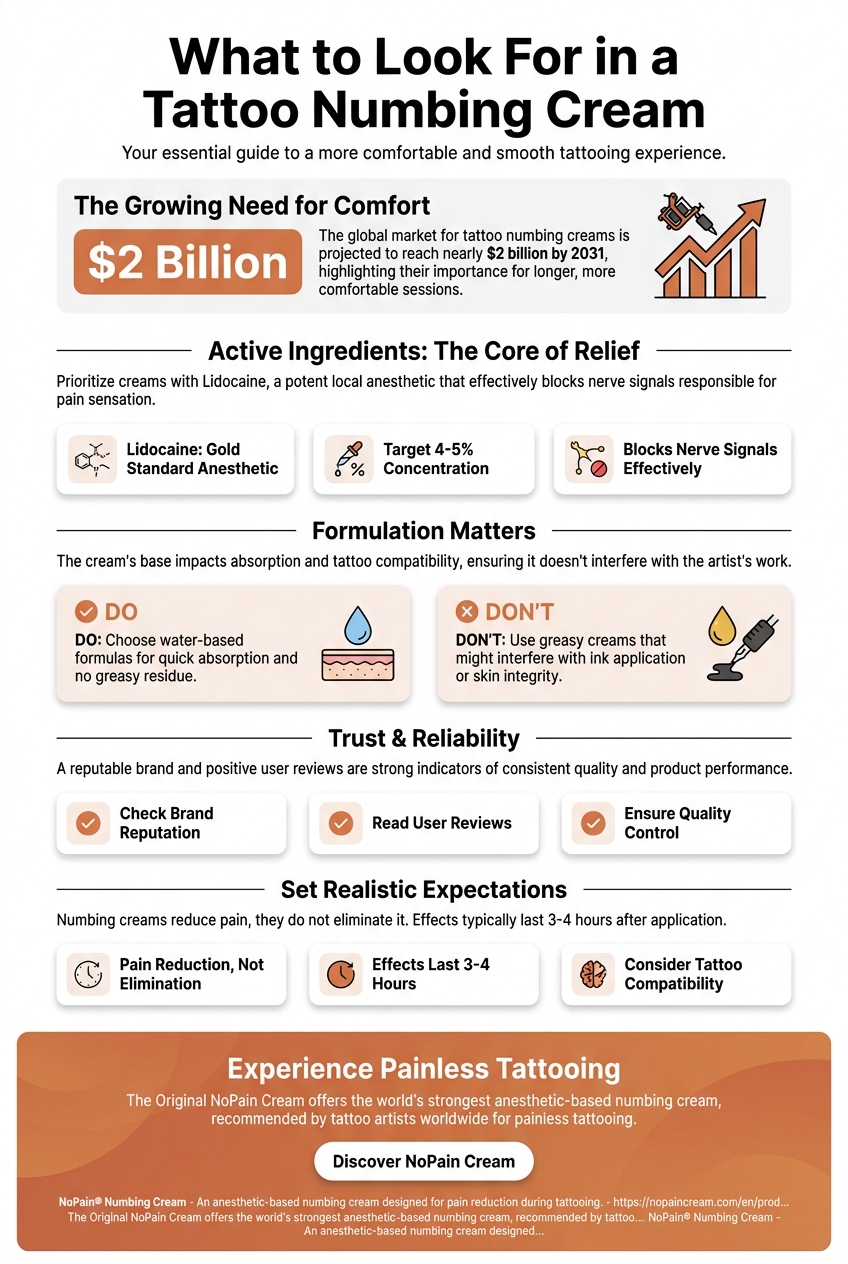
What to Look For in a Tattoo Numbing Cream
Your essential guide to a more comfortable and smooth tattooing experience.
The Growing Need for Comfort
$2 Billion
- The global market for tattoo numbing creams is projected to reach nearly $2 billion by 2031, highlighting their imp…
Active Ingredients: The Core of Relief
- Prioritize creams with Lidocaine, a potent local anesthetic that effectively blocks nerve signals responsible for p…
- Lidocaine: Gold Standard Anesthetic
- Target 4-5% Concentration
Formulation Matters
- The cream’s base impacts absorption and tattoo compatibility, ensuring it doesn’t interfere with the artist’s work.
- DO: Choose water-based formulas for quick absorption and no greasy residue.
- DON’T: Use greasy creams that might interfere with ink application or skin integrity.
Trust & Reliability
- A reputable brand and positive user reviews are strong indicators of consistent quality and product performance.
- Check Brand Reputation
- Read User Reviews
Set Realistic Expectations
- Numbing creams reduce pain, they do not eliminate it. Effects typically last 3-4 hours after application.
- Pain Reduction, Not Elimination
- Effects Last 3-4 Hours
The concentration of active ingredients, especially Lidocaine, directly influences pain reduction. Over-the-counter (OTC) creams typically contain Lidocaine up to 4%. While some products may list 5%, the FDA advises against using OTC products with more than 4% Lidocaine due to potential systemic absorption risks. For optimal pain management, a cream with up to 4% Lidocaine is generally recommended.
Some formulations combine multiple active ingredients to achieve a synergistic effect, potentially enhancing both the speed of onset and the duration of the numbing sensation. For instance, a combination of Benzocaine, Lidocaine, and Tetracaine (often referred to as BLT cream) can offer a more comprehensive anesthetic profile, with Benzocaine providing fast-acting relief, Lidocaine offering versatility, and Tetracaine delivering prolonged effects.
- Purity: High-grade ingredients ensure consistent performance and safety.
- Stability: Proper formulation maintains ingredient potency over time.
- Absorption: How well ingredients penetrate the skin to reach nerve endings.
- pH balance: Optimal pH can enhance ingredient activity and reduce irritation.
Understanding active ingredients helps consumers make informed choices. For a large tattoo, a 4% Lidocaine cream offers maximum relief, while smaller tattoos might need less. Reputable brands like NoPain Cream products clearly list ingredients and concentrations, ensuring the cream aligns with your pain tolerance and tattoo complexity for a comfortable experience.
The Role of Product Formulation: Base and Tattoo Compatibility
A tattoo numbing cream’s formulation is critical because its base determines absorption speed, skin texture, and compatibility with tattoo inks. Water-based creams are widely preferred for tattoo procedures due to their rapid, non-greasy absorption that leaves the skin clean and ready for the artist. This quick uptake allows the active ingredients to penetrate the epidermis efficiently without leaving behind a slick residue.
Unlike heavier formulations, a water-based product is easily wiped away, ensuring the skin’s surface is an ideal canvas, free from any substances that could interfere with the needle’s path or the ink’s deposition.
Conversely, oil-based or thick, greasy creams can create significant problems during a tattoo session. These formulations act as a barrier on the skin, which can impede the tattoo needle’s ability to penetrate evenly and deposit ink into the dermis. This may lead to inconsistent lines, patchy shading, and poor ink retention, ultimately compromising the quality of the final artwork. Understanding the mechanics of how a tattoo needle interacts with skin layers clarifies why a clean, residue-free surface is essential for achieving crisp, vibrant, and lasting results.
A well-designed formulation should numb the skin without causing adverse changes to its texture or integrity. Some creams can cause excessive swelling, puffiness, or a rubbery feel, which alters the tension of the skin and makes it a difficult surface for a tattoo artist to work on. A study on the topical anesthetic EMLA, for example, found that its application under an occlusive dressing significantly increased skin thickness.
A numbing cream should be pH-balanced, ideally within a range of 4.5 to 7.0, to align with the skin’s natural state and minimize the risk of irritation or texture changes before tattooing.
The cream’s base also impacts post-tattoo healing. Water-based formulas clean off easily, reducing interference with healing or aftercare. Oil-based products can be hard to remove, potentially clogging pores or trapping bacteria, complicating healing. For optimal results, a tattoo-compatible formulation should possess several key characteristics.
- Absorbs cleanly without greasy residue
- Does not alter skin texture or cause swelling
- Is easily and completely removable
- Is compatible with all tattoo inks
Choosing a cream with these features helps ensure the entire tattoo experience, from application to healing, is smooth and successful.
Brand Reputation and User Reviews: Trust and Reliability
Beyond the technical specifications of active ingredients and formulation, selecting a reliable tattoo numbing cream also requires evaluating brand reputation and user reviews. Established brands often boast a track record of rigorous quality control and consistent product performance, vital for a predictable tattooing experience. These companies typically invest in research and development and adhere to stringent manufacturing standards, ensuring active ingredients are present in stated concentrations and are safely formulated. This commitment minimizes risks associated with lesser-known alternatives, delivering promised numbing effects without unexpected complications.
Genuine user reviews offer invaluable real-world insights into a cream’s effectiveness, duration, and side effects. Beyond marketing, unfiltered feedback provides a more accurate picture. Prioritize reviews detailing application, onset, longevity, and skin reactions. Look for recurring themes and be wary of generic or excessively positive reviews that may not be authentic.
A critical aspect of brand reputation involves safeguarding against counterfeit products; always purchase from authorized retailers or directly from the brand’s official website. The market for numbing creams, like many popular consumer goods, is vulnerable to fraudulent imitations containing incorrect dosages, harmful inactive ingredients, or no active ingredients at all. Using counterfeits risks ineffective numbing, severe irritation, allergic reactions, or even permanent damage. To ensure product authenticity and protect your health, verify the seller’s legitimacy.
For guidance on identifying and avoiding fake products, refer to resources like how to spot counterfeit tattoo numbing cream .
Beyond individual experiences, a brand’s transparency and adherence to industry standards bolster its reputation. Reputable manufacturers provide clear information on ingredient sourcing, batch testing, and manufacturing, often holding Good Manufacturing Practices (GMP) certifications. These assure consistent quality. Brands with transparent practices and safety data typically earn higher consumer trust and report fewer adverse reactions.
For example, a Lindus Health study found 46% of consumers abandon health products lacking transparent data, prioritizing long-term safety and side effect information. This commitment to disclosure signifies a brand’s integrity and dedication to consumer safety.
To confidently select a numbing cream, verify brand credibility by researching its history, market presence, and product availability. Scrutinize detailed user reviews across independent platforms for effectiveness, duration, and safety. Always purchase from authorized retailers or the official website to avoid counterfeits. Check for clear information on ingredients, manufacturing, and quality certifications.
By prioritizing brands with a strong reputation for quality and transparency, you significantly enhance the likelihood of a safe and effective numbing experience, contributing positively to your overall tattooing journey.
Head-to-Head Comparison: Key Numbing Cream Features
With an understanding of ingredients, formulation, and brand trust, you can now compare key features head-to-head to select the right numbing cream for your needs.
The primary distinction among numbing creams lies in their active anesthetic ingredients, with Lidocaine being the most prevalent due to its reliable nerve-blocking capabilities. While Lidocaine effectively interrupts pain signals, other anesthetics like Prilocaine, Benzocaine, and Tetracaine offer varied onset times and durations. For instance, a comparative study found that EMLA (a eutectic mixture of lidocaine and prilocaine) and ELA-Max were superior topical anesthetics after a 60-minute application, demonstrating strong efficacy in pain reduction.
Benzocaine, often found in over-the-counter products, typically offers less deep dermal analgesia and has a higher risk of allergic reactions compared to lidocaine.
Formulation also plays a critical role, primarily differentiating between water-based and oil-based creams. Water-based numbing creams are generally preferred by tattoo artists as they absorb cleanly into the skin, leaving no greasy residue that could interfere with needle work or ink absorption. In contrast, older, oil-based formulations can create a slick or “rubbery” surface on the skin, making it challenging for artists to achieve precise lines and consistent ink saturation.
The absence of occlusive agents in water-based formulas ensures the skin maintains its natural texture, which is crucial for intricate designs and smooth shading.
Certain formulations can either support or hinder the tattooing process. Creams containing vasoconstrictors, such as epinephrine, can reduce blood flow and extend the numbing effect, but they can also make the skin feel tougher, complicating fine line work and shading. Conversely, high-quality, water-based creams are designed to absorb fully without altering skin elasticity or causing excessive swelling, thereby supporting the artist’s workflow and ensuring a superior outcome.
Always consult with your tattoo artist before applying any numbing cream, as they can advise on formulations that best complement their technique and your specific tattoo design.
The choice between reputable brands and unknown or generic options is paramount for safety and efficacy. Established brands adhere to stringent manufacturing standards and clearly list their active ingredients and concentrations, often providing detailed application instructions. Unknown brands, particularly those marketed with illegally high concentrations of lidocaine (above 4% for over-the-counter products in the U.S.), pose significant health risks, including potential systemic absorption and adverse reactions like irregular heartbeat or breathing difficulties.
Relying on trusted brands ensures you receive a product that has been tested for safety and effectiveness, minimizing potential complications.
Ultimately, understanding these key features empowers you to make an informed decision for a more comfortable tattooing experience. Products like the NoPain Cream Tattoo Bundle exemplify formulations designed to enhance comfort without compromising the tattoo artist’s work or the final quality of the artwork. By prioritizing creams with appropriate active ingredients, water-based formulations, and a strong brand reputation, clients can significantly improve their comfort and contribute to optimal healing.
| Feature | Lidocaine-focused | Combination Anesthetics | Water-based Formulation | Oil-based Formulation |
|---|---|---|---|---|
| Primary Benefit | Reliable nerve block. | Broader spectrum, faster onset. | Quick absorption, less residue. | Extended duration, deeper penetration. |
| Artist Impact | Generally neutral. | Can sometimes alter skin texture. | Minimal interference. | Can create a slick surface if not absorbed. |
| Common Application | Pre-tattoo numbing. | Often for quicker procedures or touch-ups. | Preferred for fine line work. | Suitable for large, dense areas. |
Application, Duration, and Managing Expectations
Once you’ve chosen a high-quality cream based on its features, achieving optimal pain reduction then depends entirely on proper application and managing your expectations for its duration. Proper application is paramount for a numbing cream to be effective, ensuring the active ingredients penetrate the skin adequately before your tattoo session begins. To maximize the numbing effect, the skin should be clean and dry.
- Prepare the Skin: Wash and thoroughly dry the area to remove surface oils and dead skin cells, which can block absorption.
- Apply a Thick Layer: Apply a thick, even layer of the numbing cream to the target area without rubbing it in completely. Aim for 1.5-2mm thickness, similar to two stacked credit cards.
- Occlude for Absorption: Cover the area with an occlusive dressing, like plastic wrap, to trap heat and moisture, enhancing absorption.
- Allow Sufficient Time: Leave the cream on for the manufacturer-recommended duration, typically 60-90 minutes, for active ingredients to fully penetrate.
- Remove Completely: Before tattooing, wipe away all residue thoroughly with a clean paper towel, then cleanse the area with a professional-grade solution (e.g., green soap). Ensure the skin is completely dry and residue-free before stencil placement.
The numbing effect typically lasts between 1 to 4 hours, though some products may extend this to 6-8 hours depending on the formulation and individual factors like skin type and tattoo location. Understanding this duration is crucial for managing expectations, especially for longer tattoo sessions. For example, if you have a multi-hour session planned, the numbing effect may wear off mid-way, leading to an abrupt return of sensation that can feel more intense than if no cream had been used at all.
Some clients report that the pain feels sharper once the numbness is gone due to the nerves “waking up” while the needle is still working.
Numbing creams are designed to significantly reduce pain, but it is important to manage the expectation that they will eliminate all sensation. While the sharp sting of the needle is dulled, you will still feel pressure, vibration, and the general movement from the tattoo artist’s hand. Think of it as turning the volume of pain down a few notches rather than completely off.
A 2024 study in Clinical Pain Management found that 87% of users underapply numbing cream, reducing its effectiveness by 50-70%. This highlights the critical importance of following application instructions precisely to achieve the desired level of pain relief.
Conversely, while a thick layer is recommended, overuse or leaving the cream on for excessive periods can lead to skin irritation or even affect how the ink settles.
After your tattoo session, proper aftercare is just as vital as pre-tattoo preparation with numbing cream. A well-cared-for tattoo heals better and maintains its vibrancy. For comprehensive healing support, consider pairing your numbing cream with a dedicated tattoo aftercare cream.
what to look for in a tattoo numbing cream: Practical focus 6
Beyond the core ingredients and formulation, practical aspects of a numbing cream significantly impact the tattooing process. Tattoo artists often emphasize creams that are easy to apply and, crucially, easy to remove without leaving any residue. A clean, non-greasy surface is essential for stencil application and for the tattoo needle to work effectively. Residue can cause stencils to smudge, needles to drag, and ink to deposit unevenly, compromising the final artwork.
Consider the cream’s texture and how it interacts with the skin. While numbing is the primary goal, the cream should not make the skin overly tough, rubbery, or swollen, as this can make fine line work and intricate shading challenging. A good cream should maintain the skin’s natural elasticity, allowing the artist to work with precision. This is especially important for areas with delicate skin or complex designs.
Finally, think about the overall user experience. A cream that is simple to apply, has clear instructions, and comes in appropriate packaging contributes to a stress-free preparation. For optimal results and a smooth session, choose a numbing cream that prioritizes both effective pain relief and seamless integration with the tattoo process. Explore options like the NoPain Cream Tattoo Bundle, designed with both client comfort and artist needs in mind.
FAQ
What percentage of Lidocaine is best for tattoos?
For tattoo numbing, a Lidocaine concentration of 4-5% is generally considered optimal for effective pain relief.
Is water-based or cream-based numbing cream better?
Water-based numbing creams are often preferred as they absorb well and don’t leave a greasy residue, which is better for tattoo artists.
What ingredients should I avoid in numbing cream?
Avoid creams with excessive amounts of vasoconstrictors like Epinephrine, which can make skin tougher and potentially affect ink retention.
How can I tell if a numbing cream is high quality?
Look for creams with a high percentage of Lidocaine, a water-based formula, and positive reviews from reputable sources.
Are there any risks to using numbing cream?
Risks are minimal with proper use, but patch testing is recommended to check for skin sensitivity or allergic reactions.
Final thoughts
Choosing the right tattoo numbing cream is an integral part of preparing for your tattoo session.
A high-quality numbing cream, like those offered by reputable brands, can make a substantial difference, especially for longer sessions or sensitive areas. It allows for greater focus on the art and less on discomfort.
Ultimately, the goal is to empower yourself with knowledge to make an informed decision.