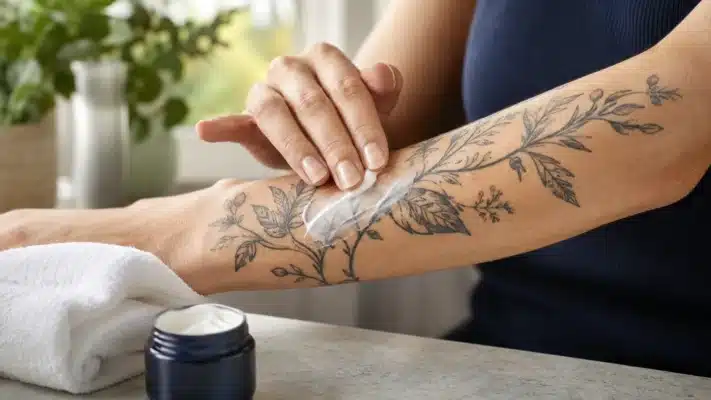
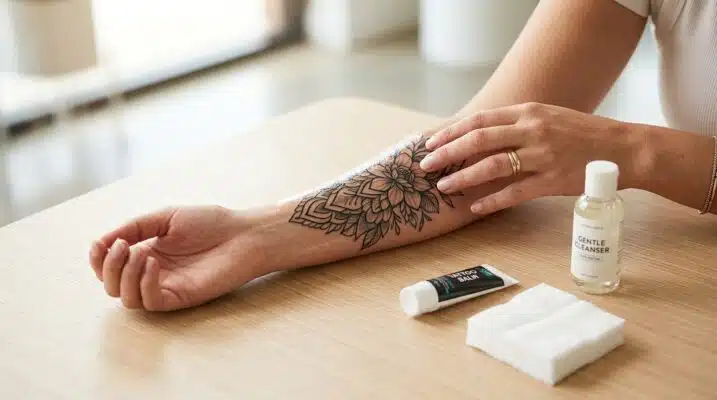
When considering a new tattoo, many wonder: how long does tattoo numbing cream last ? Its effectiveness and duration depend on several factors, including the cream’s formulation, your physiology, and skin preparation. Understanding these elements is crucial for managing expectations. Generally, when applied correctly, most topical anesthetics for tattooing provide numbing for approximately four to six hours. This is often sufficient for smaller to medium-sized tattoos, but actual duration can vary. The active ingredient, typically lidocaine, blocks nerve signals.
Its concentration and skin penetration are vital for how deeply and long the numbing effect persists during your tattoo session.
Key Takeaways
- Proper application is paramount for achieving the full duration of numbing cream, typically 2-5 hours.
- Factors like skin type, tattoo location, and cream concentration significantly influence how long numbing cream lasts.
- Applying a thick layer (3mm) of cream 60-90 minutes before your tattoo session and covering it with plastic wrap is essential.
- Individual metabolism and skin sensitivity can cause the duration of numbing effects to vary widely.
- For extended tattoo sessions, strategic reapplication might be necessary, though its effectiveness can diminish.
Prepare Your Skin for Optimal Numbing
Proper skin preparation is crucial for maximizing how long tattoo numbing cream lasts and ensuring its safe use. Always perform a 24-hour patch test on a small, inconspicuous part of your skin, such as behind the ear or on the inner arm. This vital step identifies potential allergic reactions or sensitivities, preventing widespread irritation and ensuring you can proceed with confidence. Once the patch test is clear, thoroughly cleanse and gently prepare the tattoo site. This removes impurities, excess oils, and dead skin cells that can impede cream penetration.
A clean surface allows the active ingredients to absorb more effectively into the epidermal layers where nerve endings are located. Follow these steps for optimal skin readiness:
- Wash the area with a mild, antibacterial soap and warm water.
- Gently exfoliate using a soft cloth or mild scrub to remove dead skin cells.
- Rinse thoroughly to remove all soap and scrub residue.
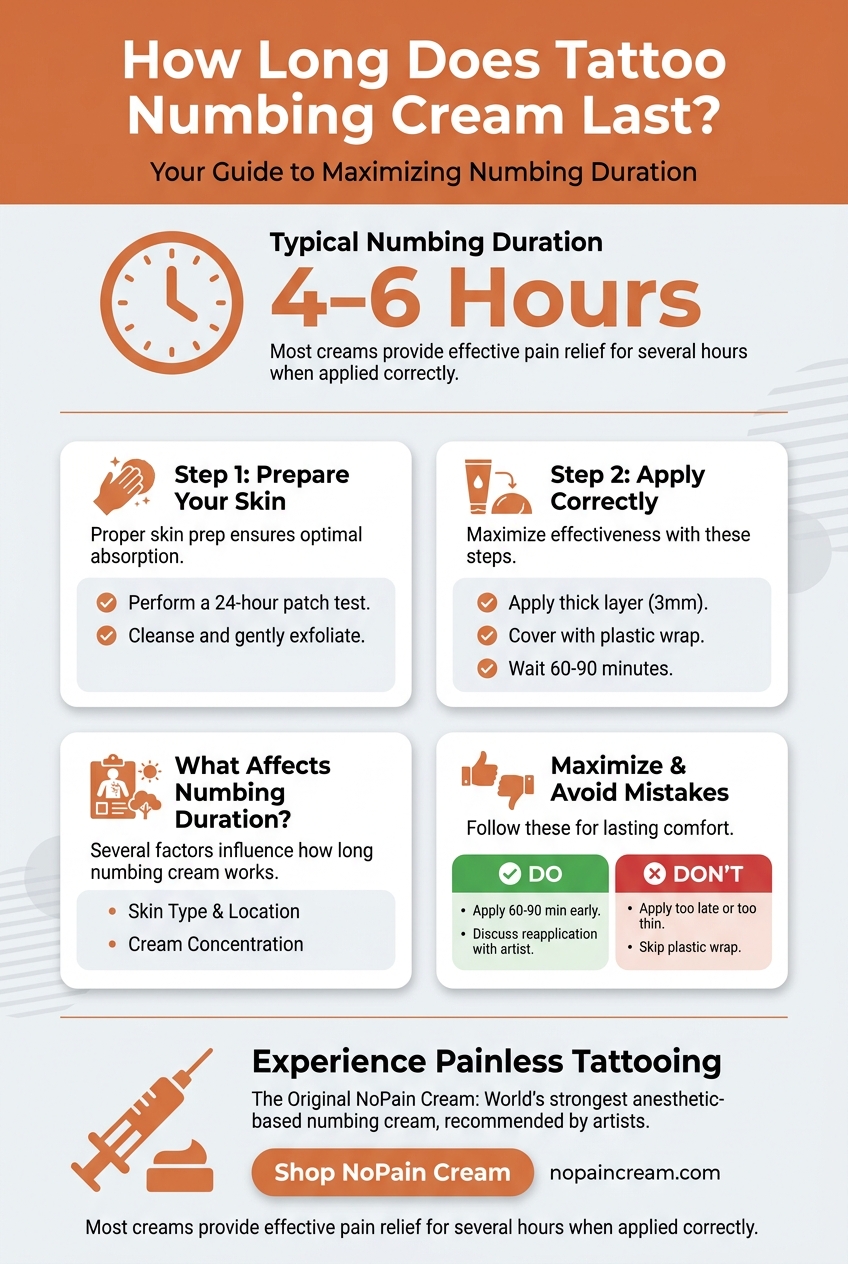
How Long Does Tattoo Numbing Cream Last?
Your Guide to Maximizing Numbing Duration
Typical Numbing Duration
2-5 Hours
- Most creams provide effective pain relief for several hours when applied correctly.
Step 1: Prepare Your Skin
- Proper skin prep ensures optimal absorption.
- Perform a 24-hour patch test.
- Cleanse and gently exfoliate.
Step 2: Apply Correctly
- Maximize effectiveness with these steps.
- Apply thick layer (3mm).
- Cover with plastic wrap.
What Affects Numbing Duration?
- Several factors influence how long numbing cream works.
- Skin Type & Location
- Cream Concentration
Maximize & Avoid Mistakes
- Follow these for lasting comfort.
- DO: Apply 60-90 min early.
- DO: Discuss reapplication with artist.
This meticulous cleansing creates an ideal canvas for the numbing cream. To further enhance the cream’s efficacy and reduce complications, avoid substances that can affect blood flow and skin sensitivity. Refrain from consuming alcohol and blood-thinning medications like aspirin or ibuprofen for at least 24 to 48 hours before your appointment. Alcohol dehydrates the skin and increases sensitivity, while blood thinners can lead to excessive bleeding, potentially washing away the numbing agent.
For optimal results, prioritize hydration and avoid anything that might compromise your skin’s natural numbing response. Review essential tattoo aftercare guidelines for comprehensive skin health. After cleansing, ensuring the tattoo area is completely dry is a critical, often overlooked step. Residual moisture on the skin’s surface can dilute the numbing cream, reducing its concentration and hindering its ability to penetrate effectively. Dermatological studies emphasize that the integrity of the epidermal barrier and proper application are crucial for optimal topical anesthetic absorption.
Use a clean, dry towel to gently pat the area thoroughly dry, allowing a few minutes for any lingering moisture to evaporate naturally. This meticulous drying ensures the numbing cream establishes maximum contact with the skin, optimizing absorption and extending its pain-relieving effects. By diligently following these skin preparation steps—patch testing, thorough cleansing, avoiding inhibitors, and ensuring complete dryness—you collectively optimize the skin’s receptivity to anesthetic agents.
This proactive approach significantly contributes to maximizing the duration and intensity of the numbing effect, paving the way for a more comfortable and less stressful tattooing experience. Proper preparation is not merely a recommendation; it is a fundamental prerequisite for achieving the longest-lasting pain relief.
Apply the Numbing Cream Correctly
With your skin properly prepared, the effectiveness of the numbing cream now depends entirely on the application technique. The initial step in extending the cream’s pain-relieving effects is to apply a visibly generous layer, ideally around 3mm thick, completely covering the entire area designated for tattooing. This substantial application is critical because it creates a rich reservoir of active ingredients, such as lidocaine, allowing them to penetrate the skin deeply and saturate nerve endings.
An insufficient or thin layer will quickly be absorbed or evaporate, leading to a significantly reduced numbing effect and a much shorter duration of relief, directly impacting how long tattoo numbing cream lasts. Following the application of this thick cream layer, it is essential to cover the treated skin with an occlusive barrier, typically plastic wrap. This step is not merely for cleanliness; it plays a vital role in enhancing the cream’s absorption and efficacy.
The plastic wrap creates a sealed, moist environment, preventing the cream from drying out and evaporating, while simultaneously increasing skin temperature slightly. This warmth helps to open pores and facilitate deeper penetration of the active numbing agents into the dermal layers where nerve endings reside. Without this occlusive barrier, much of the cream’s potential is lost, resulting in superficial numbing that dissipates quickly.
The duration the cream remains on the skin before the tattoo session begins is paramount, with a recommended waiting time typically ranging from 60 to 90 minutes. This timeframe is not arbitrary; it allows the active ingredients ample opportunity to fully penetrate the skin and block nerve signals effectively. For instance, a cream applied for only 30 minutes might only dull the initial outline, while a full 90-minute application could provide profound relief for hours of shading.
Rushing this crucial absorption period will inevitably lead to a less potent and shorter-lived numbing effect, compromising the overall comfort of your tattooing experience. The effectiveness of numbing cream is directly tied to the depth and duration of its application. Proper technique ensures that the active compounds reach the necessary nerve endings beneath the skin’s surface, providing sustained relief throughout your tattoo session. To achieve the longest-lasting numbing effect, meticulous attention to each step of the application process is non-negotiable.
- Apply a generous layer, approximately 3mm thick, across the entire area to be tattooed.
- Cover the cream immediately and completely with plastic wrap to create an airtight seal.
- Allow the cream to absorb undisturbed for the full recommended duration, typically 60 to 90 minutes.
For optimal pain relief, ensure the numbing cream remains on the skin for at least 60 to 90 minutes before your tattoo session begins. Adhering to these guidelines ensures you harness the full potential of your numbing cream, significantly extending its pain-relieving effects. Precision in application is as vital as the cream’s potency itself. By meticulously following these steps, you lay the groundwork for a far more comfortable and manageable tattooing experience, maximizing how long tattoo numbing cream lasts.
For a range of highly rated numbing creams designed for tattooing, explore the offerings at NoPain Cream products .
Understand Factors Affecting Numbing Cream Duration
Even with perfect application, the cream’s duration is also influenced by skin type, thickness, tattoo location, and active ingredient concentration. Thicker skin, like on the back or outer thighs, absorbs topical anesthetics slower, potentially reducing numbing duration. Conversely, thinner skin, such as on the inner arm or wrist, allows more rapid absorption. A medical report highlights that anesthetic cream absorption is slower on thicker skin, causing a 15-minute delay in onset, while thin-skinned areas can become numb in just 10 minutes.
This difference directly impacts the pain relief during a tattoo session.
Tattoo Location Sensitivity
The specific body area being tattooed heavily influences numbing cream duration. Locations with thinner skin or a dense network of nerve endings, such as the ribs, feet, or inner bicep, are inherently more sensitive. These areas might experience a shorter perceived numbing duration as heightened nerve density registers pain signals more quickly once the anesthetic begins to wear off. For instance, sensitive spots like the ribs often feel discomfort sooner than a less sensitive outer thigh, even with proper numbing cream application.
It’s important to remember that even with numbing cream, pressure and vibration are typically felt, and sensitive spots become more noticeable as the effects fade.
Concentration of Active Ingredients
The potency and longevity of tattoo numbing cream directly correlate with the concentration of its active ingredients, primarily lidocaine. Creams with a higher percentage of lidocaine generally offer a more profound and longer-lasting anesthetic effect. However, increased concentration also escalates the potential for side effects. The U.S. Food and Drug Administration (FDA) warns consumers to avoid over-the-counter topical pain relief products with more than 4% lidocaine, as higher concentrations increase the risk of systemic absorption and potential toxicity.
Products exceeding 4% lidocaine can contribute to serious health issues, including irregular heartbeat, seizures, and breathing difficulties. Always check product labels and consult with a professional if you have concerns.
Individual Metabolism and Physiology
Your body’s unique metabolic rate and physiological makeup significantly determine how long tattoo numbing cream lasts. Each individual processes and eliminates active ingredients like lidocaine at a different pace, directly impacting the numbing effect’s duration. Factors such as liver function, overall health, and age influence how quickly the body metabolizes the anesthetic. For instance, younger individuals (20-30 years old) may experience a shorter numbing duration, averaging 90 minutes, compared to those over 40 (over 110 minutes) due to slower metabolic rates.
Understanding these internal processes is crucial for comprehending how tattoos work and how topical anesthetics interact with the body.
Application Method and Occlusion
The application method, particularly occlusion, is critical for maximizing numbing cream duration. Optimal absorption of active ingredients into the skin is ensured by:
- Applying a thick, even layer of cream.
- Immediately covering the treated skin with an occlusive dressing, like plastic wrap. This barrier traps heat and moisture, drastically improving dermal absorption.
- Allowing absorption for the recommended 60-90 minutes for sufficient penetration and a longer-lasting effect.
Clinical data indicates occlusive wrapping enhances absorption efficiency by approximately 25% and significantly prolongs numbing. An experiment showed an occlusion group averaged 150 minutes of pain-free time, versus 100 minutes for a non-occlusion group, demonstrating the clear benefit of this technique.
Maximizing Numbing Cream Effectiveness for Long Tattoo Sessions
By understanding these factors, you can strategically maximize the cream’s effectiveness for long tattoo sessions, which begins with applying it 60-90 minutes before your appointment.
Strategic Application Timing
The precise timing of numbing cream application is paramount for maximizing its effect during lengthy tattoo sessions. For most high-quality topical anesthetics, the active ingredients, such as lidocaine, require adequate time to penetrate the skin layers and block nerve signals effectively. Applying the cream approximately 60 to 90 minutes before your scheduled appointment ensures that the peak numbing effect coincides with the initial needlework. This strategic lead time allows the anesthetic to reach its full potential, providing a robust foundation of pain relief from the very start.
Applying the cream too late can result in diminished effectiveness during the crucial early stages of your tattoo, leading to discomfort when the artist is just beginning.
Considering Reapplication (When and How)
While initial application is key, the possibility of reapplication during a prolonged session is a consideration worth discussing with your tattoo artist. Numbing cream effects typically last between 2 and 5 hours, depending on the product’s concentration and individual skin absorption. If your session extends beyond this initial period, reapplication *might* be feasible, though it’s not always recommended or practical. The artist will need to clean the area thoroughly before reapplying, which can interrupt the tattooing process and potentially irritate the skin.
Always defer to your artist’s judgment on whether reapplication is appropriate for your specific situation and skin condition, as their priority is the quality of the tattoo and your skin’s health.
Communicating with Your Tattoo Artist
Open communication with your tattoo artist about your use of numbing cream is non-negotiable for a successful and comfortable experience. Informing them beforehand allows them to adjust their approach if necessary and address any concerns you might have about the cream’s duration or potential impact on the skin. A study published in the Journal of Clinical and Aesthetic Dermatology highlights the importance of patient-provider communication regarding topical anesthetics to manage expectations and ensure safety.
This transparency helps manage expectations and ensures a smoother process, making it easier to discuss options like reapplication if the numbing effect starts to fade. For a comprehensive numbing solution, consider exploring a tattoo bundle designed for extended comfort and complete tattoo care.
Post-Application Care
Once the numbing cream is removed and the tattooing process begins, maintaining the cleanliness and integrity of the skin is crucial. Even though the anesthetic effect is internal, the surface of the skin remains susceptible to irritation and potential infection. Your artist will typically clean the area with specialized solutions before and during the session. It is important to avoid touching the tattooed area unnecessarily or introducing any external contaminants that could compromise the skin.
This diligent post-application care helps prevent inflammation or sensitivity that could undermine the numbing cream’s continued effectiveness and overall comfort. For instance, consider a scenario where you’re getting a large back piece that will take six hours. You apply your numbing cream 90 minutes beforehand, ensuring the initial three to four hours are largely pain-free.
As the numbing begins to wear off around the four-hour mark, a pre-discussed plan with your artist allows for a brief break to assess if a partial reapplication on a specific, un-tattooed section is viable, or if a different strategy, like taking more frequent short breaks, is preferable. This proactive approach, combining precise timing, artist collaboration, and vigilant aftercare, significantly enhances the likelihood of a comfortable and successful long tattoo session.
Common Mistakes and Troubleshooting
Common mistakes that shorten tattoo numbing cream effectiveness include applying it too late, using too little, not covering it, skipping a patch test, and having unrealistic expectations.
Underestimating Application Time
A primary error is applying the cream too close to the start of your tattoo appointment. Most topical anesthetics require a significant amount of time to penetrate the skin and reach the nerve endings effectively. Rushing this process means the cream won’t have reached its peak effect when the artist begins working. For example, applying the cream only 20-30 minutes beforehand will likely provide a very short window of numbness, leading to an uncomfortable experience as the most sensitive work begins.
This results in the numbing sensation wearing off much earlier in the session than anticipated.
Insufficient Cream Application
Another frequent issue is not applying a thick enough layer of the numbing cream. For the active ingredients, such as lidocaine, to work properly, they must be applied as a substantial, opaque layer over the entire tattoo area. Skimping on the product or rubbing it in like a regular lotion prevents it from forming the necessary concentration on the skin’s surface. This leads to shallow and patchy numbing, as the anesthetic cannot adequately saturate the dermis where the tattoo needles will work.
Key fact: The cream should be applied in a layer approximately 1-2 millimeters thick, similar to the thickness of a credit card, ensuring full coverage.
Not Covering the Cream
Failing to cover the applied cream with an occlusive dressing, like plastic wrap, is a critical mistake that significantly reduces its duration and intensity. The covering traps heat and moisture, which enhances absorption and prevents the cream from drying out and evaporating off the skin. This simple yet crucial step ensures the active ingredients remain in contact with the skin and penetrate as deeply as possible. The process is straightforward:
- Apply the thick layer of numbing cream to the clean, dry skin.
- Immediately cover the entire area with plastic wrap, ensuring it is airtight but not uncomfortably tight.
- Leave the wrap in place for the full recommended time, typically 60 to 90 minutes, before your artist removes it.
Ignoring Skin Sensitivity
Skipping a patch test 24 hours before the full application can lead to significant problems during your session. An adverse reaction, such as hives, redness, or intense itching, can occur, forcing a premature end to the tattoo appointment. While true allergic reactions to topical anesthetics are rare, sensitivities are more common and can cause considerable discomfort. Conducting a patch test is a crucial safety step to ensure your skin is compatible with the product.
It also helps you differentiate between authentic products and potentially harmful fakes; learn more about the risks of counterfeit tattoo numbing cream and how to avoid them.
Expecting Unrealistic Durations
A common misconception is that numbing cream will eliminate all sensation for the entire duration of a long tattoo session. The effects of most creams last between two to four hours after removal. Believing it will last indefinitely leads to a lack of mental preparation for when feeling begins to return. This can make the latter part of the tattoo session feel more intense than it otherwise would.
It is vital to have realistic expectations and communicate openly with your artist about your comfort level as the numbing effect naturally subsides.
how long does tattoo numbing cream last: Practical focus 6
To maximize how long tattoo numbing cream lasts and avoid common pitfalls, focus on these practical aspects:
- Occlusive Dressing: Always cover the applied cream with plastic wrap. This prevents evaporation and significantly enhances the absorption of active ingredients, extending pain relief. Without it, the numbing effect will be diminished and short-lived.
- Active Ingredient Concentration: Creams with higher lidocaine concentrations generally provide a more profound and longer-lasting numbing effect due to deeper nerve signal blockage.
- Precise Application Timing: Apply the cream 60-90 minutes before your session to ensure peak numbing coincides with the artist’s work.
- Skin Condition: The skin’s condition before application matters. Dry skin may experience slightly extended pain relief compared to oily skin, where absorption can be less efficient.
- Individual Physiology: Recognize that personal metabolic rates and physiological factors influence how long the cream’s effects will last. Manage expectations accordingly.
FAQ
How long does tattoo numbing cream typically last?
When applied correctly, tattoo numbing cream usually lasts between 2 and 5 hours, providing effective pain management for your tattoo session.
Can you reapply numbing cream during a tattoo session?
Yes, reapplication is sometimes possible and can be discussed with your tattoo artist, though its effectiveness may decrease with repeated use.
Does numbing cream wear off suddenly?
Numbing cream typically wears off gradually, with sensation returning slowly rather than abruptly.
What does it feel like when numbing cream wears off?
As it wears off, you’ll start to feel tingling, warmth, and then the return of normal sensation and pain associated with the tattooing process.
How do I make my numbing cream more effective?
Ensure proper skin preparation, apply a thick layer, cover it tightly, and allow sufficient waiting time before your tattoo session begins.
Does skin type affect how long numbing cream lasts?
Yes, skin type, thickness, and its ability to absorb the active ingredients can significantly influence the duration of the numbing effect.
Final thoughts
Ultimately, understanding how long tattoo numbing cream lasts is about managing expectations and optimizing application. While the average duration is typically four to six hours, this is a guideline, not a guarantee.
Remember that individual physiology, skin type, and the specific location of your tattoo all play a role in how long the numbing sensation will persist.
By following these guidelines and prioritizing proper technique, you can make the most of your topical anesthetic, transforming the often-dreaded pain of tattooing into a more manageable and comfortable experience.