The Ultimate Guide to Numbing Cream: Effectiveness, Uses, and Safety
When pain or discomfort gets in the way of daily activities or cosmetic treatments, numbing cream can be the perfect solution. These creams are designed to reduce localized pain without the need for injections or strong painkillers.
In this comprehensive guide, we cover everything you need to know about numbing cream: how it works, the different types, proper application, safety considerations, potential side effects, and expert tips for maximum effectiveness.
What is numbing cream?
Numbing cream, also known as topical anesthetic, is a medical cream that temporarily reduces or eliminates pain in the skin. When applied, it blocks nerve signals, making the treated area less sensitive to pain.
Common active ingredients in numbing creams include:
Lidocaine: The most widely used ingredient, effective for both minor skin pain and minor procedures.
Prilocaine: Often combined with lidocaine to enhance and prolong the effect.
Benzocaine: Typically used for smaller areas or minor skin irritations.
Tetracaine: Less common but often used for medical procedures such as tattoo removal and laser treatments.
Benefits of numbing cream:
Uses of numbing cream
Numbing creams are versatile and are used for both medical and cosmetic purposes:
1) Cosmetic treatments
-
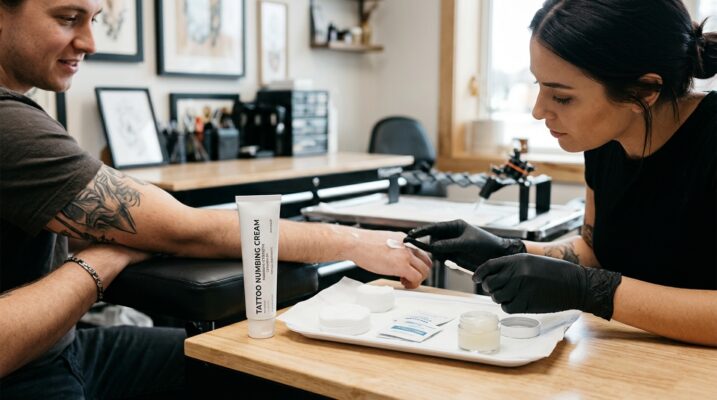
Tattoos, laser removal, tattoo removal, waxing and microdermabrasion.
-
Reduces pain during procedures, mking the experience more comfortable and enjoyable.
2) Medical procedures
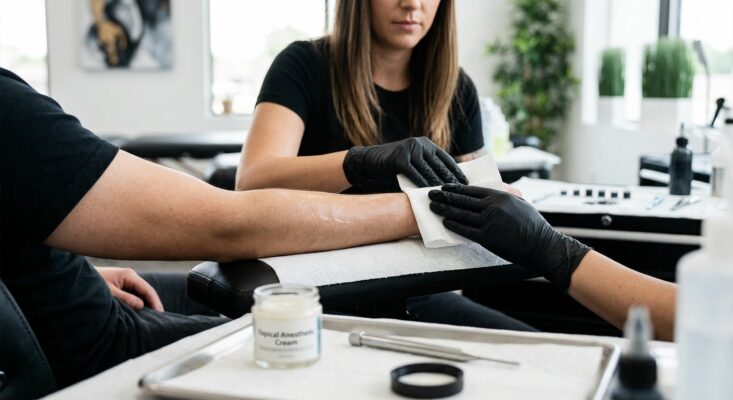
Minor surgeries, blood draws, vaccinations and skin biopsies.
Provides local anesthesia without injections.
3) Acute pain and skin irritation
Sunburns, insect bites, minor cuts and skin irritations.
Can relieve discomfort and reduce itching and inflammation.
4) Chronic pain
- Localized pain from arthritis, nerve damage or muscle soreness.
- Can be combined with other treatments for longer-lasting relief.
Types of numbing cream
| Strength | Active Ingredient | Use | Duration of Effect |
|---|
| Mild | Benzocaine 5–10% | Minor skin irritations, insect bites | 15–30 minutes |
| Medium | Lidocaine 2–5% | Cosmetic treatments, tattoo removal | 30–60 minutes |
| Strong | Lidocaine + Prilocaine (EMLA) | Medical procedures, larger areas | 60–120 minutes |
How does numbing cream work?
Pain signals travel from nerve endings in the skin to the brain via electrical impulses. Numbing creams work by blocking sodium channels in nerve endings, which are necessary for transmitting these signals.
Once these impulses are blocked, the brain cannot perceive pain in the treated area, resulting in temporary numbness.
Tip: The effect depends on skin thickness, blood circulation, and the cream’s formulation. Thicker skin, like on hands or feet, may require longer application times.
How to use numbing cream correctly
To achieve the best results and minimize side effects, follow these steps:
Clean the skin thoroughly – Remove dirt, oils, or makeup.
Apply a thick layer – Using too much does not increase effectiveness, but everything should be covered well.
Cover the area – Plastic wrap or bandage helps the cream penetrate deeper.
Wait the recommended time – Effects usually appear within 20–60 minutes.
Remove the cream after use – Wash the area, especially before sun exposure or water contact.
Expert Tips for Maximum Effect
Apply to clean, dry skin – This improves absorption.
Use plastic wrap or foil – Traps heat and helps the cream penetrate deeper.
Choose the right strength – Medium strength is often enough for cosmetic treatments, while medical procedures may require stronger formulations.
Avoid direct sun after application – Some creams can increase skin sensitivity to UV rays.
Tattoo Aftercare: How to Heal It Properly
Healing is where great tattoos stay great. Your artist’s instructions should always come first, but these are common best practices.
The basics (general guidance)
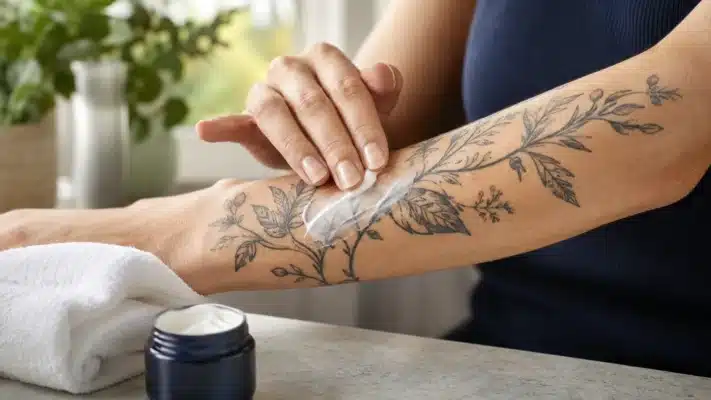
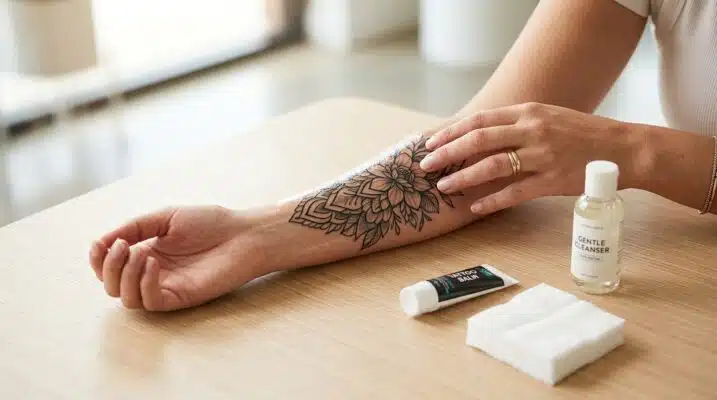
Wash gently with clean hands and mild soap
Pat dry – don’t rub
Apply a thin layer of recommended moisturizer (too much can irritate)
Don’t pick scabs or scratch peeling skin
Avoid soaking (baths, pools, ocean) during early healing
Avoid direct sun on a fresh tattoo
What’s normal vs. not normal
Often normal: mild redness, tightness, light swelling, flaking/peeling
Not normal: increasing heat, severe swelling, pus-like discharge, fever, worsening pain
If symptoms seem concerning, contact a medical professional.
FAQ: Common Questions About Tattoos
Conclusion
Numbing cream is a practical and effective way to manage localized pain for cosmetic procedures and medical treatments. When used correctly, it is safe and provides fast relief without the need for systemic painkillers.
At NoPainCream.com, we offer a single, high-quality numbing cream designed to provide fast and effective relief for a variety of skin treatments and minor pain.