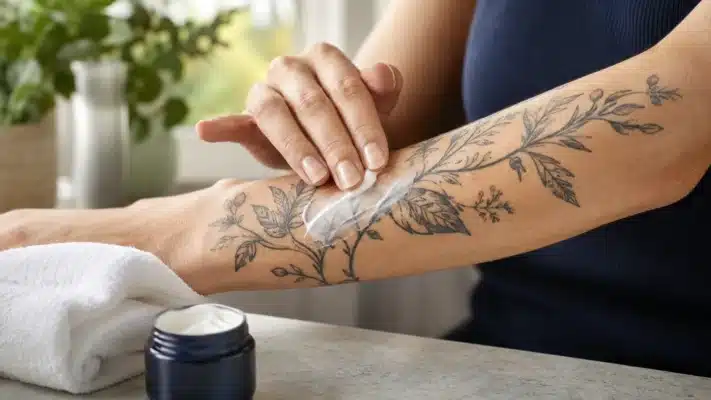
Can You Use Tattoo Aftercare as Aftersun?
Can tattoo aftercare double as aftersun? Compare moisturisers, discover a simple routine for healed tattoos and learn when your skin needs different care.
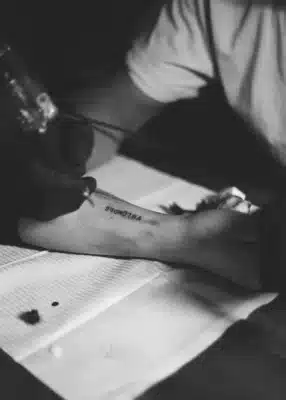
Tattoos aren’t as modern as you might think. They have been around for hundreds of years. Tattoo history is shaped by different tattoo designs which have been popular throughout the decades. Since the beginning, there were different designs and opinions about tattoos. Tattoo history all began back in 1891, when the first tattoo machine was invented in New York City by Samuel F. O’Reilly. But it took another 80 years for tattoos to be an accepted mainstream idea.
Since the beginning of Tattoo history, changes have occurred with each decade, and each decade has had its own “most trendy tattoo design”. Therefore in this blogpost, we want to show you the trendiest tattoo designs from each decade, starting at 1910.
| Decade | Key Trend / Style | Context |
|---|---|---|
| 1910s | Profession & Circus | Sailors, circus performers, and criminals. |
| 1920s | Permanent Makeup | Cosmetic tattoos for women (brows/lips). |
| 1930s | Social Security Numbers | Practical identification tattoos. |
| 1940s | Sailor Jerry (Old School) | Bold lines, colors, anchors, and swallows. |
| 1950s | Masculinity | Bad boy image, chest pieces, anchors. |
| 1960s | Skulls & Crossbones | Rebellion despite health bans (Hepatitis scare). |
| 1970s | Self Expression | Full sleeves and peace symbols. |
| 1980s | Tribal / Celtic | Bold black lines and rock 'n' roll influence. |
| 1990s | Barbed Wire | Pamela Anderson style, armbands, Chinese characters. |
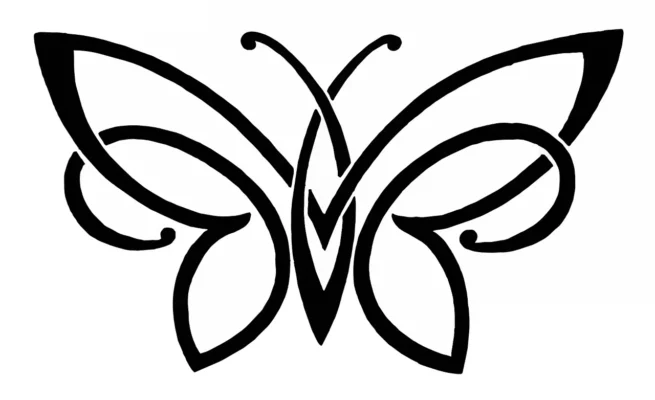
| 2000s | Lower Back (Tramp Stamp) | Butterflies, Yin Yang, low-rise jeans era. |
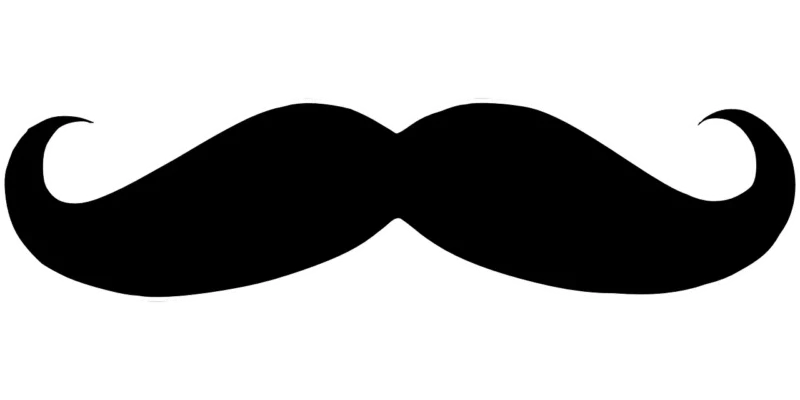
| 2010s | Small / Finger Tattoos | Infinity signs, mustaches, minimalist placement. |
| 2020s | Fine Line & Micro Realism | High detail, single needle, aesthetic & delicate. |
In the 1910s, it was very uncommon to see a tattoo on a person, but the most common reasons that people had tattoos during this time was to signify their jobs (like circus performers, sailors and even criminals). The majority of society during the early 20th century was pretty religious, so it was common to see tattoos showing religious symbols.
Through the tattoo history, circus folk was frequently tattooed, and you could get tattoos done at various circus shows as well. They would bring samples of tattoos with them when they travelled. The sailors would get a tattoo at every destination they arrived at, to symbolize the length of their journey.
In the 1920s it was still uncommon to see tattoos on the majority of society. During this time, permanent makeup became popular among women. It became more common to see women with unremovable makeup on their face. Makeup was very expensive at that time, so getting permanent eyebrows and lip contouring was seen as a better decision. Permanent makeup is one of historical tattoo trends, which is still very popular.
Unbelievable but true, social security numbers were the No.1 tattoos of the 1930s. People had to memorize their SSN, but not everyone could memorize a series of numbers easily, so they tattooed it onto themselves. Society still wasn’t convinced of body art at that time, but getting a SSN tattoo became a necessity for some. Regular people who had these tattoos weren’t lumped into the same societal category as other tattooed people would be in; it was still mostly criminals, sailors, and performers who sported historical tattoo trends for the most part of the tattoo history.
In the 1940s, a tattoo artist started adding colors into their designs, and one of the iconic historical tattoo trends called “Sailor Jerry” was born. Sailor Jerry tattoos are very colorful and in tune with nature. This means, animals like sharks, dragons and snakes, were often seen on people, and mostly with reddish details. This style was named after a famous artist called Norman Keith Collins, AKA Sailor Jerry. He created his own pigments and later added them to his designs.
Tattoos took a turn in the population in the 1950s. They became a sign of masculinity. Still, people would be trying to link inked bodies with criminal behaviour, even if non-criminal men had tattoos. The most common body part to get tattooed was the chest. The most often chosen design during this period were anchors and ships.
During the 1960s, there was an outbreak of Hepatitis in New York. The humanity was blaming the tattoo artists for it, because they apparently used unsanitary needles and equipment. New York’s health department has banned tattooing back in the 60s, and the ban lasted for 36 years, this timeline has took a large part in the tattoo history. Due to the outbreak, most people held back from getting a tattoo, but not celebrities.Celebrities had an access to the best tattoo artists of the 1960s, one of these were Lyle Tuttle. Musicians like Janis Joplin proudly waved their tattoos in front of audiences. As more and more pop culture icons got inked, the practice became increasingly appealing. Often chosen designs were skulls and crossbones during the 1960s.
In the 1970s, tattoos became very popular among the ordinary men and women, not just sailors and criminals anymore. Tattoos became a form of self expression. Messages, symbols and flowers were an often chosen design among women, full sleeves and bodysuit tattoos were very popular among men.
Getting a tattoo became a normal and accepted thing in the civilisation in the 1980s.The 1980s were all about rebellion. Therefore, colourful and bold black line tattoos were popular and commonly seen. The Celtic knot design was an often-chosen design for both genders. In the 1980s, rock and roll began to rise, so people were, and still are trying to get matching tattoos with their favourite artist, which adds on to the tattoo history.
The 1990s posses a big impact on fashion. It is still common to see a large amount of people trying to follow the historical tattoo trends, mostly of the 90s, everything from the clothing, music and culture to the tattoos of the 90s. The tattoo trends of the 90s were very influenced by celebrities like Pamela Anderson; both men and women have wanted to get matching tattoos like Pamela’s, she made the barbed-wire arm band hugely popular. Barbed wire tattoos have taken on many new meanings to represent suffering and confinement as well. Other popular designs were the sun, and the use of Chinese letters. These designs were mostly tattooed on top of each other and the most chosen body part was the upper arm.
In this decade, lower back tattoos were the trendiest. This was the tattoo spot of choice for many women during the 2000s. Butterflies and the symbol of “yin yang” were some of the top choices for designs. In combination with low rise jeans, these tattoos were an eye catcher. Some people still get these kinds of tattoos, as a throwback to old times. These designs add on to the most iconic historical tattoo trends.
The 2010s were all about small tattoos. The placement of the tattoo became as important as much as the design. The most chosen placements were the fingers. Small finger tattoos were and still are incredibly popular, leaving a lot of room for creativity. The most popular finger tattoo of this decade, is the novelty moustache. Infinity signs were also often seen in the 2010s.
The tattoo history has its own highs and lows. We can say for sure, that tattoos have a huge impact on trends and society. Some trends faded, but some are still popular, for example small tattoos.
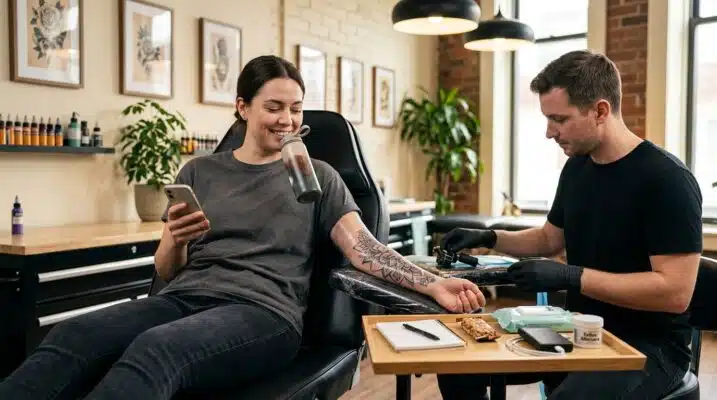
Nowadays tattoos are done and removed very easily, and can even be done with no pain, if you use the NoPain numbing cream.
Everything you need to know about numbing cream and tattoos can be found in our many other exciting blogposts
Thank you for reading this blogpost, we hope to see you in our inbox in the future. We hope that you have learned something new about the historical tattoo trends!
OTHER POSTS

Can You Use Tattoo Aftercare as Aftersun?
Can tattoo aftercare double as aftersun? Compare moisturisers, discover a simple routine for healed tattoos and learn when your skin needs different care.


How to Plan for a Long Tattoo Session: Your Ultimate Guide
Discover how to plan for a long tattoo session with our expert tips on hydration, nutrition, comfort, and mental preparation for a smooth and successful experience.
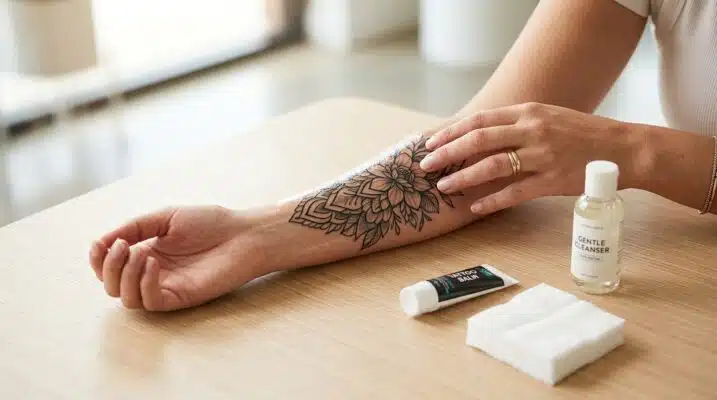
10 Common Tattoo Aftercare Mistakes to Avoid for Optimal Healing
Learn about common tattoo aftercare mistakes to avoid, from improper cleaning to sun exposure. Follow our expert tips for a smooth healing process and vibrant ink.
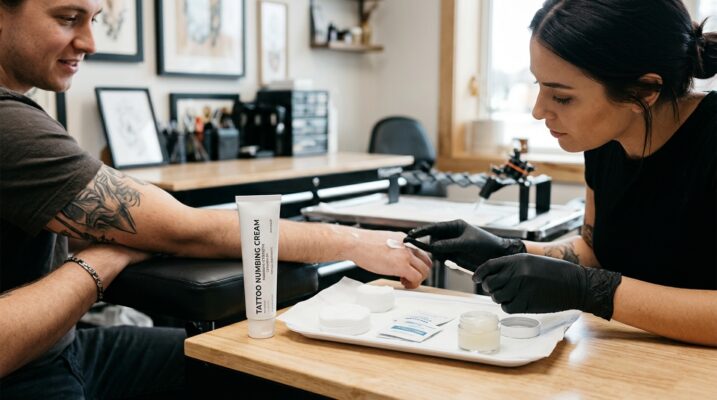
What to Look For in a Tattoo Numbing Cream: Your Essential Buyer’s Guide
Discover what to look for in a tattoo numbing cream, focusing on active ingredients like Lidocaine, formulation, and brand reputation for a comfortable tattoo experience.
Does Numbing Cream Affect Tattoo Ink? The Full Guide
Wondering does numbing cream affect tattoo ink? Discover how professional numbing creams work, what tattoo artists say, and how to use them safely for vibrant, lasting

How Long Does Tattoo Numbing Cream Last? Expert Guide to Duration
how long does tattoo numbing cream last: Discover how long tattoo numbing cream lasts, typically 4-6 hours, and learn essential tips for proper application and skin
Choose Bank Transfer at checkout and get an instant 2% discount on your entire order — no code needed.