Tattoo Pain Explained: Factors, Placement & How to Minimize It
(Credit: Image by Emilia Brooks via Emozzy)
The fear of tattoo pain is common among many people. While tattoos are a popular way to decorate the body with beautiful images and meaningful quotes to express who you are, many still hesitate. Millions of people worldwide have tattoos, but that number could be much higher if it weren’t for the discomfort. Why exactly does it hurt so much, and where is tattoo pain most intense? Let’s dive in.
Does Tattoo Size Affect Pain Levels?
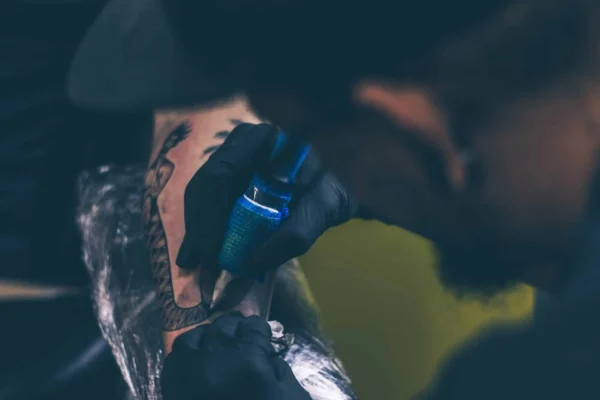
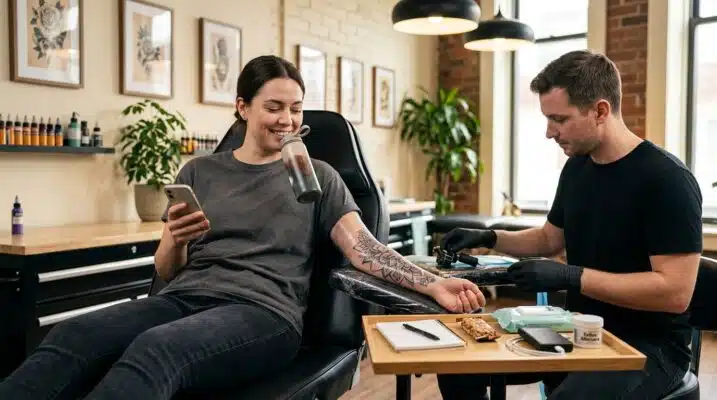
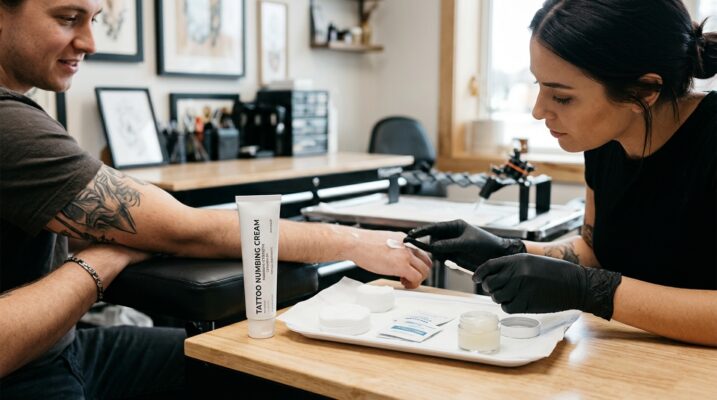
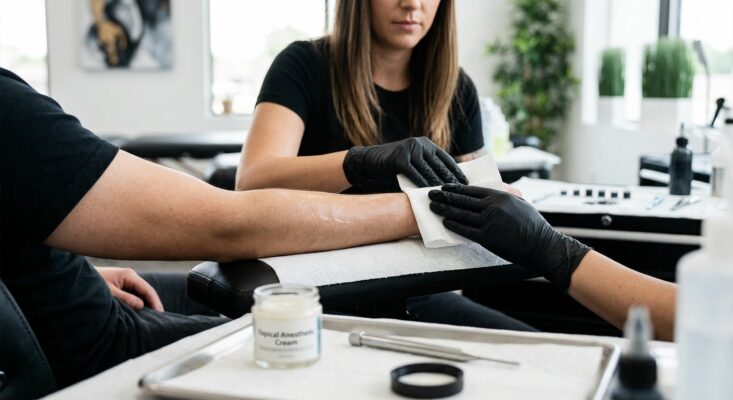
Naturally, the intensity of tattoo pain varies greatly. Typically, the level of discomfort is directly related to the size of the design; the larger the tattoo, the more painful the session will likely be. To minimize tattoo pain, we recommend using a numbing cream before the artist begins. Unlike permanent makeup, which targets the upper dermal layers, traditional tattoos inject ink deeper into the skin to ensure permanence. Large tattoos require the needle to penetrate the skin thousands of times over several hours, prolonging the exposure to pain. Therefore, if you have a low pain threshold, a smaller design is a better choice as it significantly reduces session time. Finally, placement plays a huge role in how much tattoo pain you will experience.
Where Does It Hurt the Most? (Best & Worst Placements)
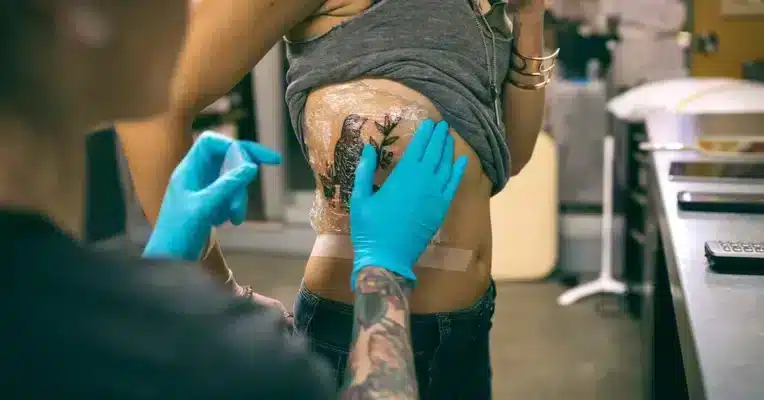
As mentioned, placement is crucial. To keep tattoo pain to a minimum, we recommend choosing fleshy areas like the outer upper arm, inner forearm, or outer thigh. Here, the pain is significantly lower compared to the chest or ribs. This is because these spots have more muscle and fat to cushion the bone underneath. In contrast, rib tattoos have very little separation between skin and bone. This causes intense tattoo pain, as it often feels like the needle is vibrating directly against the skeleton.
Post-Session Pain: What is Normal During Healing?
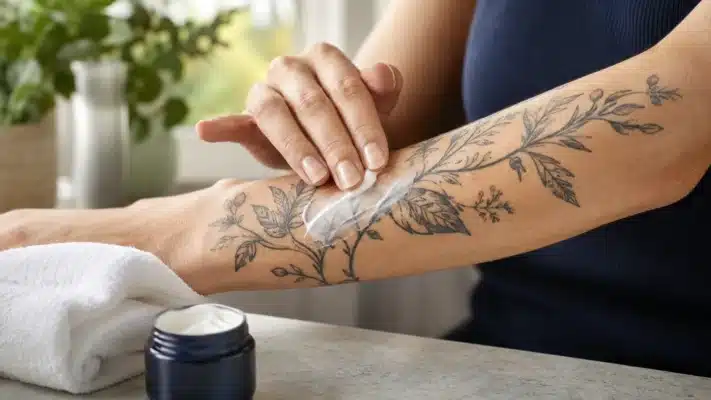
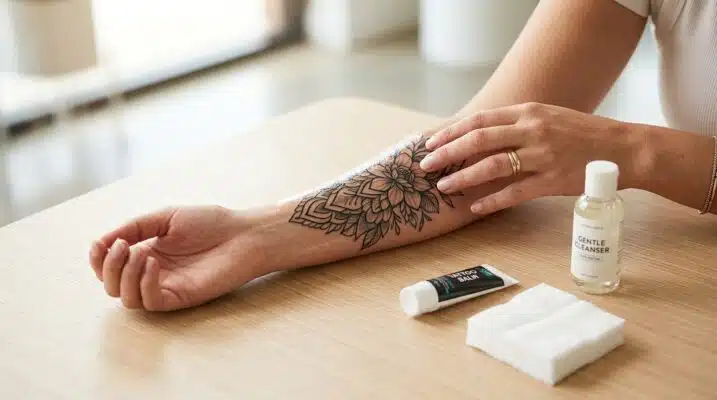
Even after the actual session is over, tattoo pain can linger during the healing phase. However, this sensation differs from the sharp needle pricks felt in the chair. Instead, post-tattoo discomfort often manifests as intense irritation and itching as the skin begins to repair itself. During this time, scabs will form over the design. It is crucial to let these scabs fall off naturally to avoid damaging the ink. This healing process is often the main source of lingering tattoo pain.
Thank you for reading this blogpost.You can find information about the tattoo pain chart, if you click on the word!
If you want to have a painless tattooing pain, use the NoPain numbing cream.
Don’t forget to follow us on Facebook & Instagram