Can You Use Tattoo Aftercare as Aftersun?
Can tattoo aftercare double as aftersun? Compare moisturisers, discover a simple routine for healed tattoos and learn when your skin needs different care.
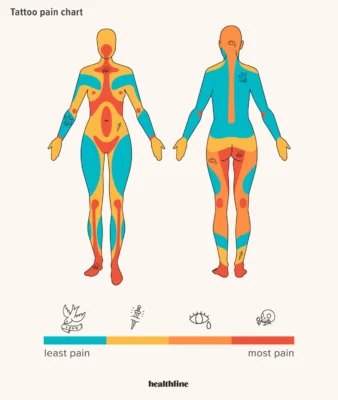
| Zone (Body Part) | Pain Level (1-10) | Why? |
|---|---|---|
| Buttocks | 2 / 10 | Thick fat layer, few nerve endings. |
| Forearms | 3 / 10 | Muscle protection and semi-large fat layer. |
| Outer Shoulders | 3 / 10 | Fatty, non-bony area with few nerves. |
| Upper Thighs | 3 / 10 | Low nerve endings and protective fat layer. |
| Upper & Lower Back | 4 / 10 | Thicker skin (Note: avoiding the spine). |
| Ankles & Shins | 8 / 10 | Very thin skin directly on the bone. |
| Fingers & Hands | 8 / 10 | Thin skin and many nerve endings. |
| Rib Cage | 9 / 10 | Needle vibrates against the bone; thin skin. |
| Spine | 9 / 10 | Extremely sensitive due to nerve endings. |
| Head, Neck & Face | 9 / 10 | Thin fat layer and enormous amount of nerves. |
| Kneecap & Elbow | 10 / 10 | Direct bone contact causing extreme vibration. |
| Armpits | 10 / 10 | High nerve density, thin skin, and ticklish. |
| Groin | 10 / 10 | Extremely sensitive area. |
Tattoos have become an international sensation, and it isn’t uncommon to see a large amount of tattoos in your day-to-day life. It has been recorded that 59% of women worldwide and 41% of males worldwide have inked their body at least once in their life. The act of getting tattooed can still feel very daunting, even though a large amount of the population has one.
The entire tattoo process is seen as scary, painful and unpleased, but that doesn’t necessarily have to be true, as there are many different factors that come into play when talking about the most painful tattoo spots. By just taking a quick look at a tattoo pain chart, you’ll be able to see the massive difference between how placements might cause a lot of tattoo pain, while others seem harmless. So, if you want to learn more about pain and its relationship with tattoos, then you’ve come to the right place!
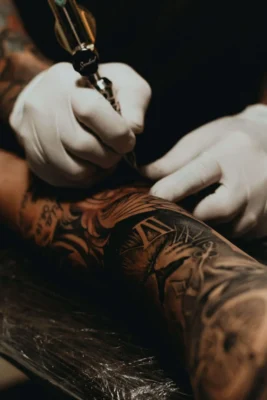
The pain levels that are connected to tattoos can vary from person to person, but one thing that doesn’t vary, is the process of getting a tattoo. The act of getting a tattoo is done, by continuously inserting and reinserting a special needle(s) into the dermis, which is the inner layer of the skin. This reinsertion is performed 50 to 100 times a minute, with the intention of inserting specific coloured pigment into the skin, that eventually makes up the entire tattoo design, shape and colour.
This constant reinsertion of the needle(s), is the primarily source of the tattoo pain. The sensation of being tattooed has been explained in many different ways, some people find the experience to be similar to a cat scratching their skin continuously – While others experience a feeling of continues pulsing throughout the entire process. An almost universal feeling, when it comes to getting a tattoo, is the feeling of a pinch on the initial insertion of the needle(s), but this feeling will mostly fade over the course of the session.
Other sensations that have been descripted in connection to tattooing are: Sharp or stinging pain and a vibrating pain. Vibrating pain is mainly experienced when the needle(s) is placed close to a very bony area. The needle(s) will cause a high frequency vibration that the bones can pick up, which gives a very unusual vibrating sensation. This sensation isn’t severe, but can feel very uncomfortable, not exactly ticklish or painful, but somewhere in between.
Although the pain might vary from person to person, the main factors that cause the pain don’t change. With that being said, there is a plethora of different things that cause the pain from tattooing to arise. We will be focusing on the following aspects in our blogpost:
All of these subfactors are responsible for what you would normally call: the painful tattoo experience. Throughout this blogpost, we will try and give as informative answers as possible, to both why these aspect makes the tattoo experience more painful and how to best prepare and protect against any tattoo
This is a pretty obvious reason for why some tattoos hurt more than others. The size of the tattoo, as well as the time it takes to create it, plays a huge role in how painful the entire experience feels. A tattoo the size of a thumb can be over in a couple of minutes and feel like a breeze, while a tattoo that is the size of your entire chest or back will most likely be a more painful, and time consuming experience.
Time is another aspect which determine how painful the experience will be. The reinsertion of the needle(s), will slowly start to impact the skin more and more, which makes a more time consuming tattoo more painful. The places to get a tattoo, that are less time consuming, should be your first chose.
Having a experienced professional tattoo artist perform your tattoo will always be a better idea than having getting the same work done by an amateur. This is not only in regards to the tattoo pain levels, as more experienced tattoo artist are known to more gentle and carful, but also in connection with getting a better result. Although, we do understand, that the more experienced tattoo artist will cost more money and can feel like an huge investment to pay upfront.
But we guarantee that the investment is worthwhile, as having a tattoo poorly made can feel like a massive burden. In addition, the process of having a tattoo removed is even more painful and annoying than getting the initial tattoo. If you are interested in learning more about tattoo removal, then we high recommend checking out our other blogpost, which goes in-depth about everything laser treatment related.
This is a pretty obvious reason for why some tattoos hurt more than others. The size of the tattoo, as well as the time it takes to create it, plays a huge role in how painful the entire experience feels. A tattoo the size of a thumb can be over in a couple of minutes and feel like a breeze, while a tattoo that is the size of your entire chest or back will most likely be a more painful, and time consuming experience.
Time is another aspect which determine how painful the experience will be. The reinsertion of the needle(s), will slowly start to impact the skin more and more, which makes a more time consuming tattoo more painful. The places to get a tattoo, that are less time consuming, should be your first chose.
Source: Healthline.com
It might seem that these sensitive areas are unpredictable and random, but in reality, all these sensitive areas fall into one or more of the following categories. These categories are the main reason for why some areas cause extreme tattoo pain, while others are fairly harmless:
Head, neck and face tattoos are infamous for being extremely painful. These tattoos usually only have a thin layer of fat to protected them from the needle(s). In addition, some areas around the head, neck and face have an enormous amount of nerve endings, which makes getting a tattoo much more painful. This is also why almost every part of the tattoo pain chart is red around these areas.
The combination of a thin layer of fat, a lot of nerve endings and a ticklish sensation makes the armpits a living hell to tattoo, both for the tattoo artist and for the individual. Armpit tattoos have been reported as being one of the most painful tattoo spots. In addition, some tattoo artists actually fully advise against getting armpit tattoo, because of the extreme tattoo pain and discomfort.
A persons individual pain threshold is unarguably one of the biggest factors that come into play while getting a tattoo. No matter the placement, size or time spend on the tattoo, one’s individual pain threshold will always be either a blessing or a curse. A high pain tolerance and pain threshold will be an huge help in going through the entire tattoo process with fewer problems.
Conversely, if you have a low pain tolerance and pain threshold, you won’t be able to withstand the extreme tattoo pain of some of the most painful tattoo spots. A low pain threshold also makes the process of getting tattoo more annoying and frustration, for both you and the artist, as the tattoo artist most likely have to deal with unpredictable movement and longer breaks.
Not everyone is aware of their individual pain tolerance and threshold. This can be very annoying when trying to research where to get one’s first tattoo. We would recommend choosing a rather small tattoo for your first session, as it would give you an idea of how much pain you are able to tolerate and where your pain threshold is. Afterwards you will be able to determine, if you wish to get a tattoo on some of the more painful spots.
A persons state of mind doesn’t necessarily change the objective tattoo pain that the needle(s) will cause. Although, it might actually change your individual perspective and perception of how painful the whole experience is.
Having extreme anxiety or stress before coming to a tattoo session, could activate your fight-or-flight responds. A variety of consequences could arise from this excessive amount of anxiety. In-and-of-itself, the adrenalin rush is harmless and even slightly positive, as it helps increase heart rate and assists oxygen flow throughout the body. But the consequences can be very negative after the initial adrenalin rush, as the tattoo pain will most likely increase and cause extreme discomfort.
We recommend having plenty of distractions near you, if you have anxiety towards the tattoo needle(s). It is also highly recommended to bring a friend along, to have some sort of company, while being another distraction from the needle(s) itself. Having a talk about the whole process and techniques that the tattoo artist use, could help with understanding what is about to happen, and help calm you down. To learn more about the medical side of fight-or-flight: click here.
Now you might be thinking, what about the aftercare process? It is just as painful as the actual tattoo session? Although most of the pain occurs during the tattoo session, it is still a very good question, as the aftercare process comes with its own obstacles.
We were actually so fascinated about the aftercare process of tattoos, that we wrote an entire blogpost about everything aftercare related It contains all the information, you might need to know about the aftercare of tattoos, as well as how to properly deal with the whole aftercare process. So if you haven’t already, we highly recommend reading that blogpost
There is no better solution to relieving pain in relation to tattooing than using some form of numbing cream. You won’t be able to feel a thing! It is almost like magic. Numbing cream is your savior when it comes to overcoming any tattoo pain.
The benefits of using numbing cream for your tattoo sessions are massive. Numbing cream doesn’t just relieve the pain, it helps with keeping you calm and comfortable throughout the session. You will be able to conquer any tattoo, regardless of size, placement or individual pain threshold.
In addition, it will make life much easier for the tattoo artist, as they won’t have to worry about unpredictable twitching or jerking. This will help the tattoo artist keep all of his or hers focus on making the best possible tattoo. Numbing cream is a win-win for everyone. So if you haven’t already considered purchasing numbing cream for your next session, then we would highly recommend it.
Educate yourself.
Eat well and bring water
Keep yourself distracted
Bring a friend
It is always a great idea to bring a friend alongside you. A friend is both great company, and a perfect way to keep yourself distracted from the pain. They can be your helping hand, if you start to get nervous or have second thoughts about the tattoo process. Having the ability to talk to someone you know also helps with lowering one’s anxiety level.
Don’t take it too seriously
Minimize jerking or unpredictable movement
Use pain relieving numbing cream
Thank you very much for reading through this entire blogpost, and accompanying us in learning more about what pain is in relation to tattoos. Having read this blogpost, we hope you have found all your answers to questions, such as; what causes tattoos to be painful? What are the most painful tattoo spots? And properly the most useful of them all; How do I lessen the pain when getting a tattoo?
As this blogpost is coming to a close, we would recommend checking out our other content – We offer everything from blogposts about the aftercare process of tattoos to permanent makeup and other exciting content which can be found on our blog

Can tattoo aftercare double as aftersun? Compare moisturisers, discover a simple routine for healed tattoos and learn when your skin needs different care.

Discover how to plan for a long tattoo session with our expert tips on hydration, nutrition, comfort, and mental preparation for a smooth and successful experience.
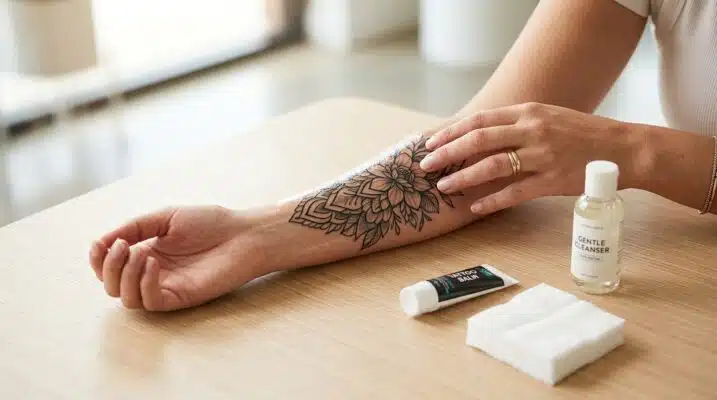
Learn about common tattoo aftercare mistakes to avoid, from improper cleaning to sun exposure. Follow our expert tips for a smooth healing process and vibrant ink.
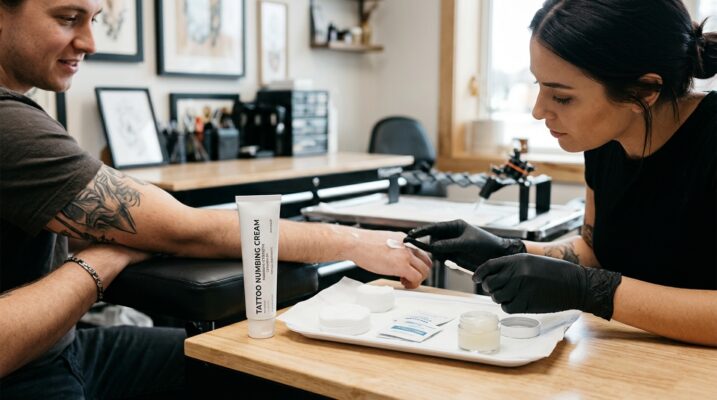
Discover what to look for in a tattoo numbing cream, focusing on active ingredients like Lidocaine, formulation, and brand reputation for a comfortable tattoo experience.
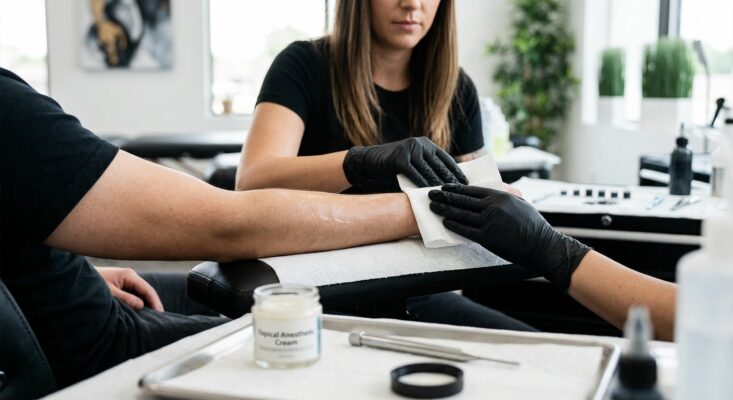
Wondering does numbing cream affect tattoo ink? Discover how professional numbing creams work, what tattoo artists say, and how to use them safely for vibrant, lasting

how long does tattoo numbing cream last: Discover how long tattoo numbing cream lasts, typically 4-6 hours, and learn essential tips for proper application and skin
Choose Bank Transfer at checkout and get an instant 2% discount on your entire order — no code needed.